
 July 10, 2026
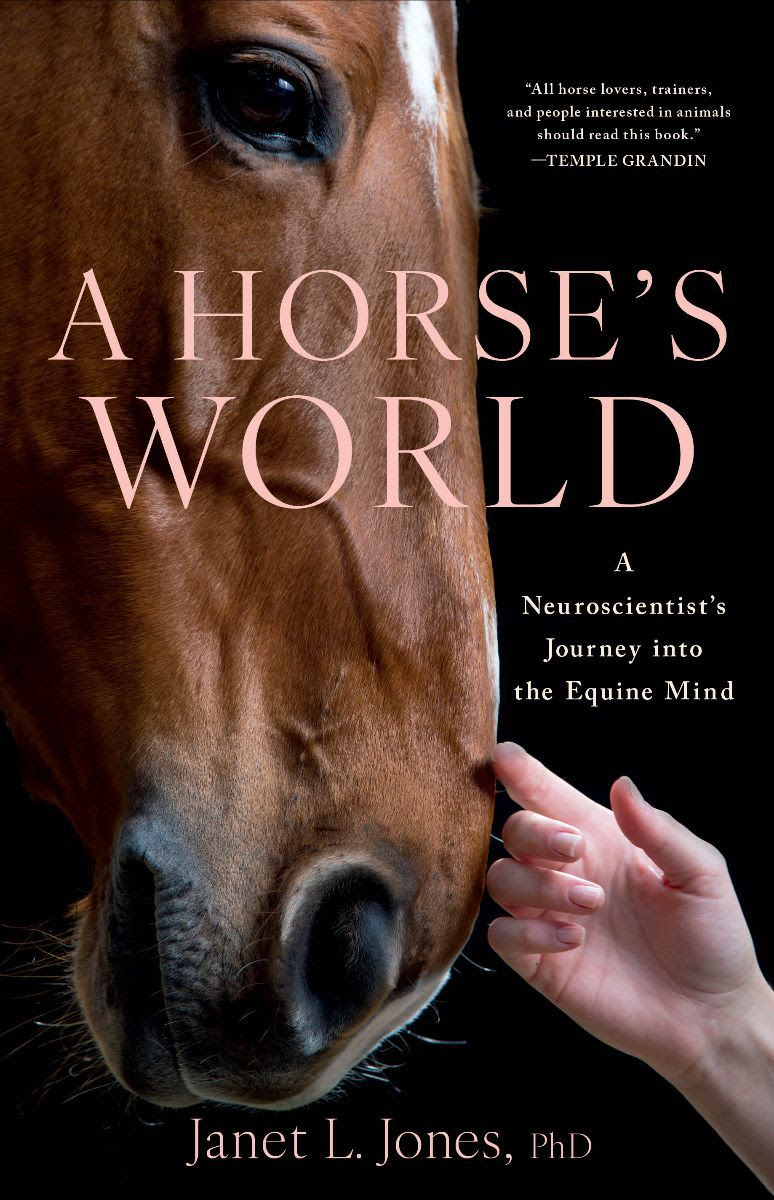
This excerpt is from Chapter 15: The Doctor Is In of A Horse’s World, the newest book by neuroscientist Janet Jones PhD:
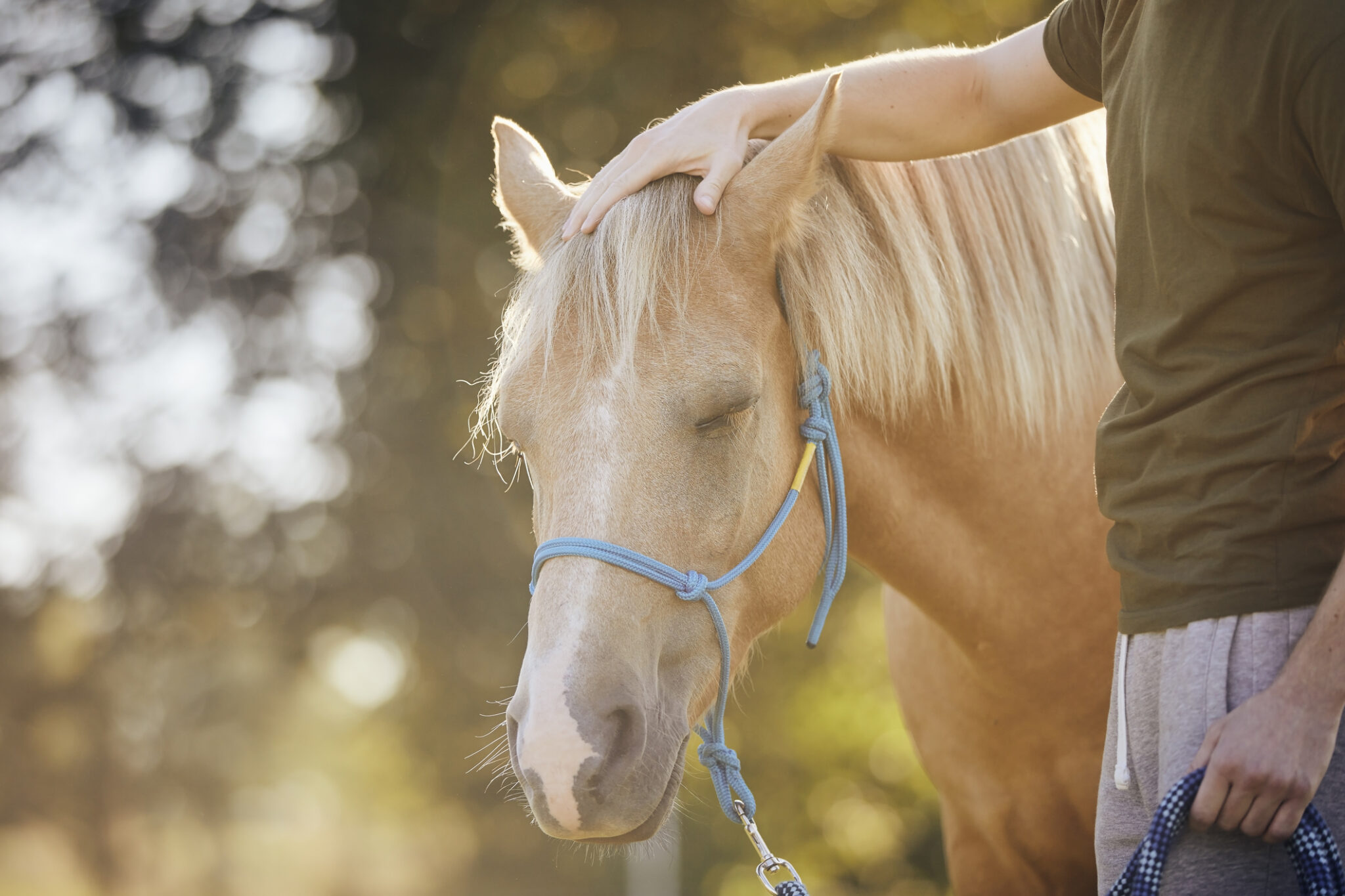
Animals of all kinds make most people feel better. Stroking a cat or dog, observing a squirrel scamper across the lawn, feeding hummingbirds: These are common sources of entertainment and relaxation. So we might wonder why horses in particular — as opposed to dogs or cats, for example — are such effective therapeutic creatures. The reasons range from their outer form to their inner brains.
Perhaps the most obvious is a horse’s size and strength. People who experience prolonged mental or emotional distress sometimes become bullies and abusers who attempt to relieve their pain by taking it out on others. Anger is a large part of psychological turmoil, both cause and effect, and often a mask for fear. Ocean Vuong, the Vietnamese Ameri can poet who grew up in a neighborhood filled with cruelty, explains that “[r]age and violence [were ways] to control the environment . . . for people who had no control of their lives. Cruelty comes from fear and vulnerability. You’re too scared and you have to strike first” in an attempt to gain leverage over your situation.
But getting all huffy and puffy with a horse is a surefire way to be humbled (often in public) because the horse can outpull, outpush, out run, and outmaneuver an overbearing human in an instant. Instead, horses demand emotional intelligence offered in nonviolent ways. Short of mechanical force, she won’t be pushed around by anyone or anything except kindness, cooperation, and calm. With those bedrocks of instruction, horses learn what we want them to do and how they should respond to our requests. Working with them eventually causes therapy patients to understand that they must develop better means of interacting with a horse — and this lesson seeps into their human interactions as well.
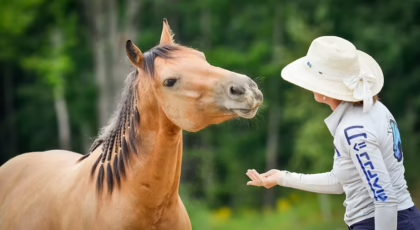
While some people express their fear through aggression, others who suffer from issues with fear, trust, or social connection become meek, and tend to avoid horses because of their size and agility. But they learn to be more comfortable around horses by buffing up their nonphysical skills. Bonding, soothing, or even talking with horses is practice for testing those skills with human acquaintances, a way to ease into new conversations and friendships. It also helps us to enrich long-standing relationships and repair family trauma. This concept might seem like a stretch if you haven’t experienced it, but horses can indeed teach us human social skills.
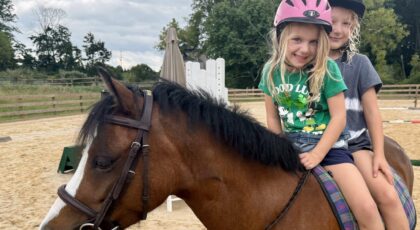
Another reason that horses are so well suited for assisted therapy is the fact that we can ride them, something that’s impossible with other therapy animals. A horse’s back is just the right size for us, shaped perfectly for our bodies, strong and fairly comfortable. For greater security we can use saddles or, for better contact, bareback pads. Those in singular need of a horse’s warmth can sit directly on her body, as long as they have assistants to hold them in place as needed.
Horses are also beneficial therapy assistants because they usually necessitate outdoor sessions. Nature — with its fresh air, open space, green grass, bubbling water, soft breezes, and swaying leaves — exerts healing effects on the human psyche, adding to the benefits of therapy itself. Together, the human nervous system calms, allowing memory, attention, and emotion to operate more effectively. A more natural form of internal energy, similar to the horse’s, is brought into being.
As we’ve seen, nonverbal communication is critical with horses. And training in body language is something most people with developmental disabilities and psychological problems need. Many of us — even those without disabilities — don’t realize just how often we send off- putting or defensive nonverbal signals into the world. Horses alert us to these negative signals via their responses, offering a kind of emotional mirror. Just as a child can practice silly faces in a mirror, patients in need of nonverbal communication training can practice body language and see the equine answer instantly.
Prey animals can’t afford to trust the way dogs or cats do — and neither can a victim of PTSD or a survivor of abuse. Their trust must be earned, over a long period of time with thousands of positive experiences. By observing the slow process under which a horse learns to trust humans, wounded people learn how to trust others. Even psychotherapists acquire knowledge about trust by watching horses develop it.
For similar reasons, equine responses to fear also cause horses to excel as therapy assistants. Humans are quite good at masking their feelings, but equine emotions like fear and hypervigilance are impossible to miss or ignore. Partaking in the process by which horses learn to control fear is step- by- step instruction for humans with PTSD, autism, or abusive backgrounds, who discover the most important lesson — that fear actually can be managed. If a horse can learn to control fear, well then, a human should be able to do so, too. Suddenly, the human patient recognizes the problem and is motivated to solve it.
Next, without a prefrontal cortex or human executive function, the horse is a silent but expressive companion who cannot judge, criticize, stereotype, or push patients to hurry toward a goal. Of course, good therapists don’t push — but the therapeutic setting alone implies that there are goals to be met, a sequence to be followed, achievements to be realized, bills to be paid. To a psychologically fragile mind, this is pressure. Instead, horses take people at face value in the present moment. To be accepted exactly as they are, without expectations of change, can be a valuable gift to all people — whether they’re in therapy or not.
Most victims of emotional disorders or trauma need to be regarded with a compassionate, nonjudgmental eye, but it also has to be one that is very discerning. The horse offers exactly that eye. He notices the details in his human handlers, and he responds to them. But his brain is not capable of responding with verbal criticism or a disparaging glance. Even the best psychotherapist is rarely able to be that nonreactive.
Some therapy clients find it hard to identify human emotions, including their own. This is often a symptom caused by oversensitivity to emotion stemming from an abusive background, for example. It can also occur by way of abnormal visual processing, in which facial expressions cannot be distinguished. And often, emotional numbing is to blame, which develops as a mechanism for self- protection. Whatever the cause, many people entering therapy aren’t skilled in nonverbal communication, have trouble identifying their emotions, and don’t like to talk about their feelings. All of this makes human interaction — not to mention conventional talk therapy — awkward.
Visualization as a technique of pain relief is easier with horses than it is with dogs or cats partly because equine mythology carries so much power in the human mind. Many patients gather encouragement and hope through images of large strong animals carrying them to safety, something that horses can do.
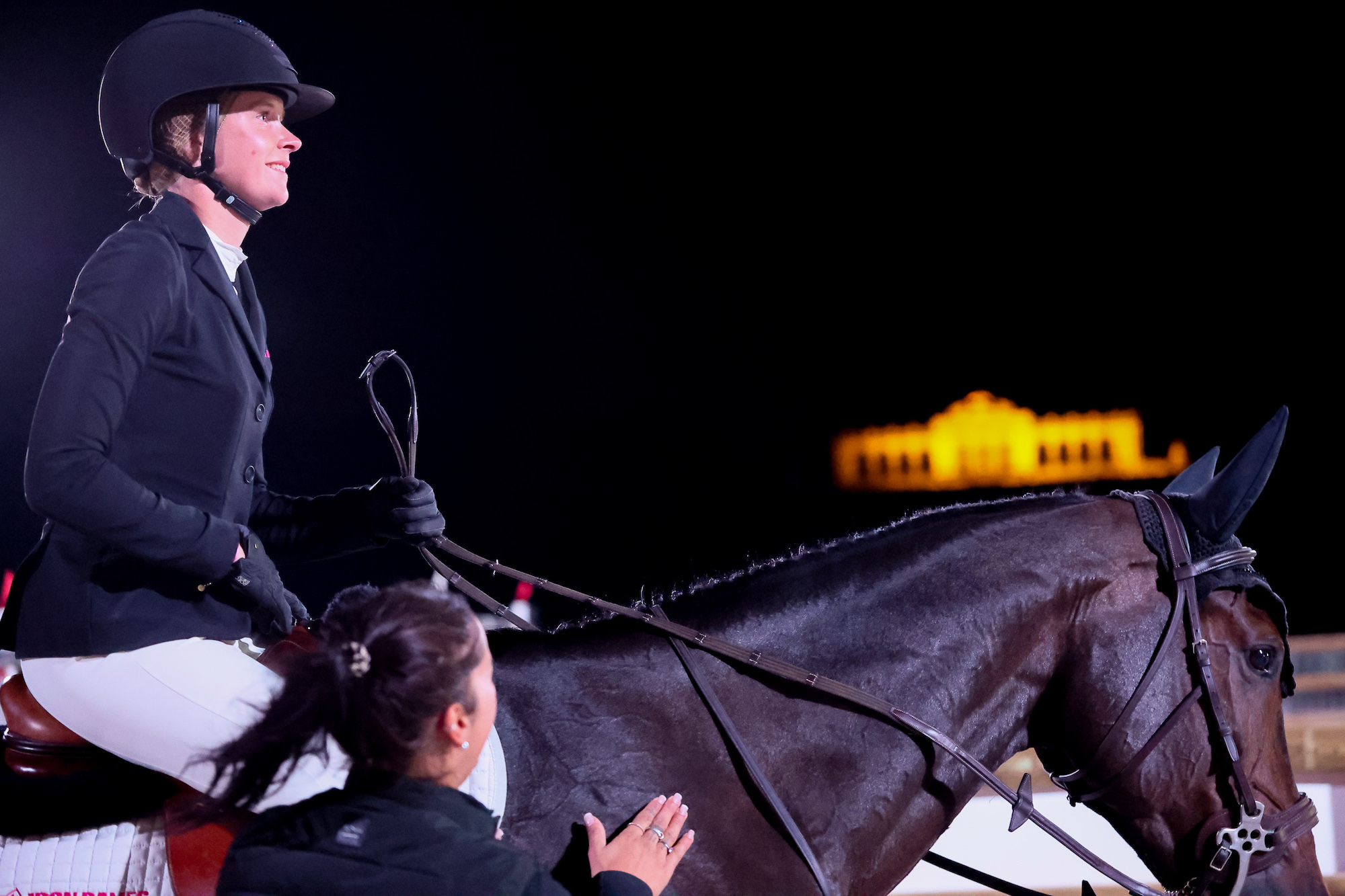
Recent scientific reviews suggest that emotional transfer between humans and horses is likely the crux of effectiveness in equine- assisted therapy. As we’ve seen, horses adjust their emotional states in coordination with the feelings they pick up from humans surrounding them. When we are nervous, they become nervous; when we relax, they do, too. And vice versa. This mutual transfer of emotions is critical to the bond between horses and humans. It also helps therapy clients tune their own feelings and moods.
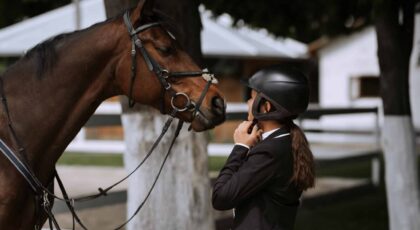
Horses are perfect role models for these individuals. Merely to approach a horse without causing evasion, you have to be aware of your body position in relation to hers, your posture, the focus and intensity of your eye contact, the speed and angle of your advance, the tone of your voice, the amount of energy revealed in your body. Horses teach us to pay attention to all sorts of details that are helpful when interacting with people. In past millennia, horsepower referred to the strength and speed with which our animals carried and pulled heavy loads over difficult terrain. Not anymore. Now horses are using their power to improve our hearts and souls.
A Horse’s World by Janet L. Jones, PhD is available at janet-jones.com and in book stores everywhere.