
 April 22, 2026
We talk a lot about the big problems in the horse world. Cost. Horse welfare. Ethics.
Lately, I’ve been thinking about something smaller, but just as important. The little kindnesses that seem to be slipping away. And, as a horse mom, I’m noticing it not just through my experience, but through my kids’.
My goal is to model kind, appropriate behavior and good manners I hope they carry with them, even if others don’t.
I’m trying to teach them that ‘Kindness’ starts small. Because I’ve been on both sides of it, selling and buying horses. As a seller, answering message after message, sending videos, sharing details—and feeling the tiny sting when there’s no reply. Not even a “thank you.”
Sometimes the message is one single word. “Price?” It sounds small, but it doesn’t feel small when you’re the one on the other end.
My kids aren’t the ones behind the screen—but they’re close enough to see how I handle it. And that sticks. We are all busy and stressed. And sometimes, especially over text or DMs, it’s easy to forget there is a real person on the other end. But that’s exactly why the small gestures matter.
Acts of kindness show up in subtle ways. Saying “thank you” when someone takes the time to answer your questions about a sale horse, even if it’s not the right fit. Following up when someone spends time with you instead of disappearing the second you find something else.
When I’m on the other end, as a buyer, I try my best to be kind and reply. Recently, I reached out about a horse that ended up being out of budget. But I took a moment to say, “Thank you. Not in budget but love your horse.” When a seller is honest with me—“His only quirk is he is cold backed”—I always respond the same way.
“I appreciate your honesty.” Because in the horse world, that sometimes feels rare.
Somewhere along the way, it feels like we’ve all become a little… transactional. Quick texts. Quick decisions. No follow-up. No acknowledgment of the care that went into that response. And an expectation that we deserve immediate attention.
And these online interactions got me thinking more about how this shows up in our barn life. The ways I model appropriate behavior, so my kids are raised with good values. I think about it more than I probably should—what they’re picking up from me in the quiet moments, not just the big ones.
I’ve taught them we always acknowledge the trainer. Not just for the big things, but for the everyday ones; the time and the patience they give my kids.
Sometimes that sounds like a simple “thank you.” Sometimes it looks like showing up with Dunkin’ on a Saturday morning, or bringing a bouquet of cheerful flowers just because. Small ways of saying, “I see you. I appreciate you.”
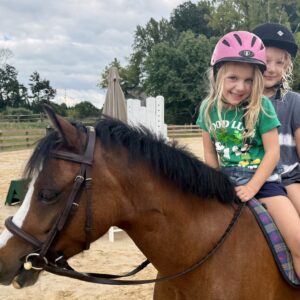
When I leave the barn with my younger three daughters, I always say, “Thank your instructor.” And then, like a little choir, they sing, “Thank youuuuuuu.” They often remember on their own, but it can still take a little reminder.
And the more I think about it, the more I realize how much of this comes down to awareness and empathy.
I acknowledge the hard work it takes to run a barn, let alone teach lessons. We have a small barn at home, and I have five kids. At night, all I want to do is curl up in the fetal position and sleep for 48 hours. I can’t imagine the toll it takes on those with bigger barns and clients; worrying about all the horses and people depending on them.
Which is also why pitching in at the barn matters more than people think, because the burnout is real. I feel it in my own life, and I see it in others. Grabbing a lead, holding a horse, helping tack up without being asked.
Sometimes, just a few extra minutes out of a busy day can help someone make it through theirs. And this is what I teach my kids: “Ask if your trainer needs anything.” Be kind. Always.
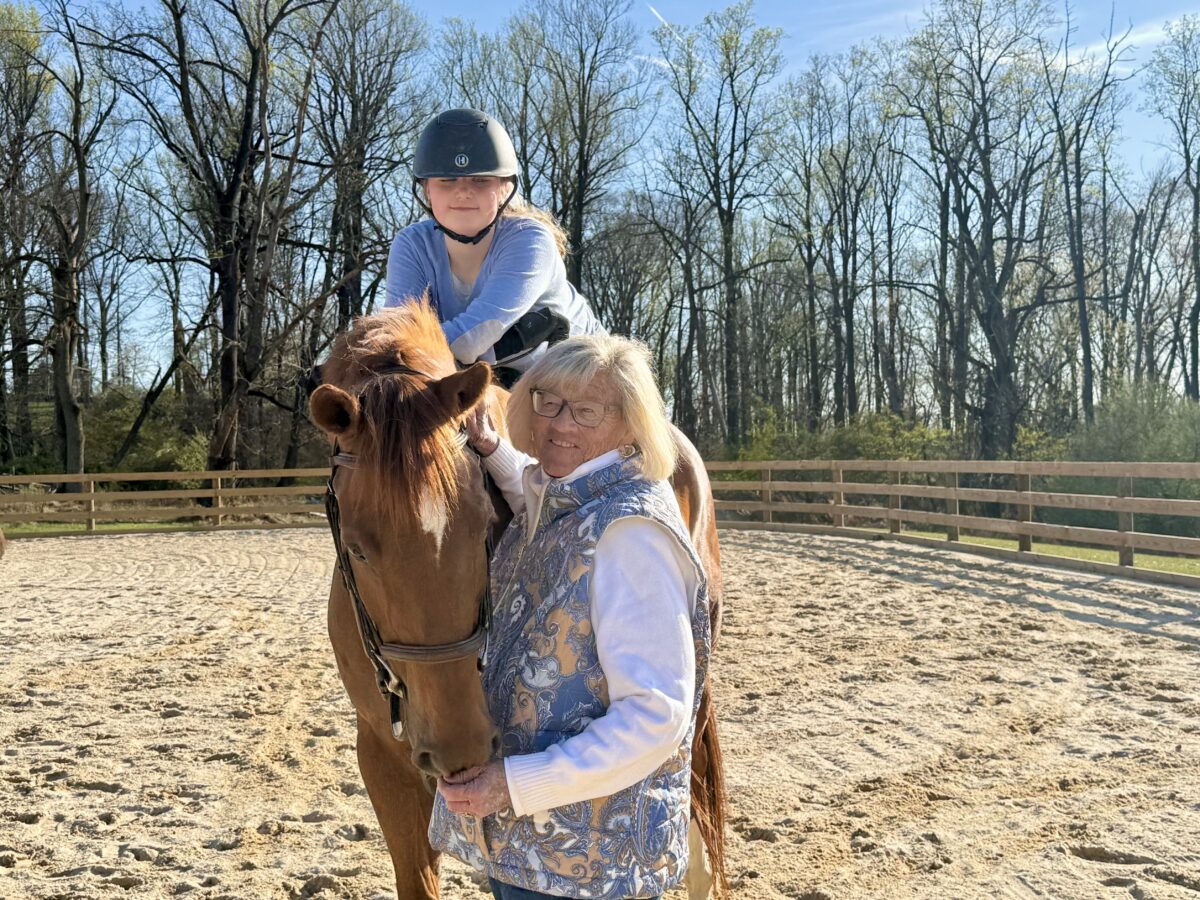
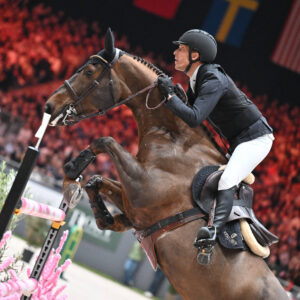
Horse shows are no exception. There are many people keeping your experience running smoothly. It’s worth acknowledging the person who wipes off your boots, thanking the steward and being timely in the ring, and being polite to the show office staff—the ones trying to keep everything from going off the rails. That kind of acknowledgment and good behavior goes a long way.
But beyond the logistics, there is also the way we show up for each other at shows. And this is extremely important to me as a mom. I do not want my kids learning the wrong way to act toward others.
The uncomfortable way. The quick pass-bys. The tight smiles. The resting faces that can read a lot harsher than we intend. This is a sport where people already feel judged, where nerves are high and confidence can be eggshell-fragile. Acknowledging someone you know with a smile or even a hug—an old trainer or past barn-mate—instead of giving them the cold shoulder matters.
And it’s not just amateurs and kids. I’ve talked to pros who feel judged at the rail by other pros. I’ve heard stories where they feel like another trainer is hoping they miss or their client has a bad trip. And that makes me sad, because these are the people who are role models for horse-loving kids like mine.
Competition doesn’t justify being rude or hateful. You can still be the bigger person. A clap at the end of a round and a genuine smile can be meaningful to the person who is receiving them.
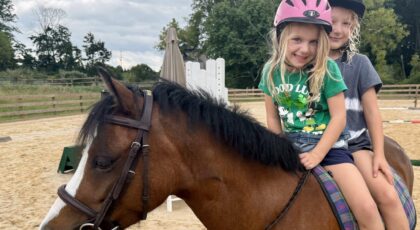
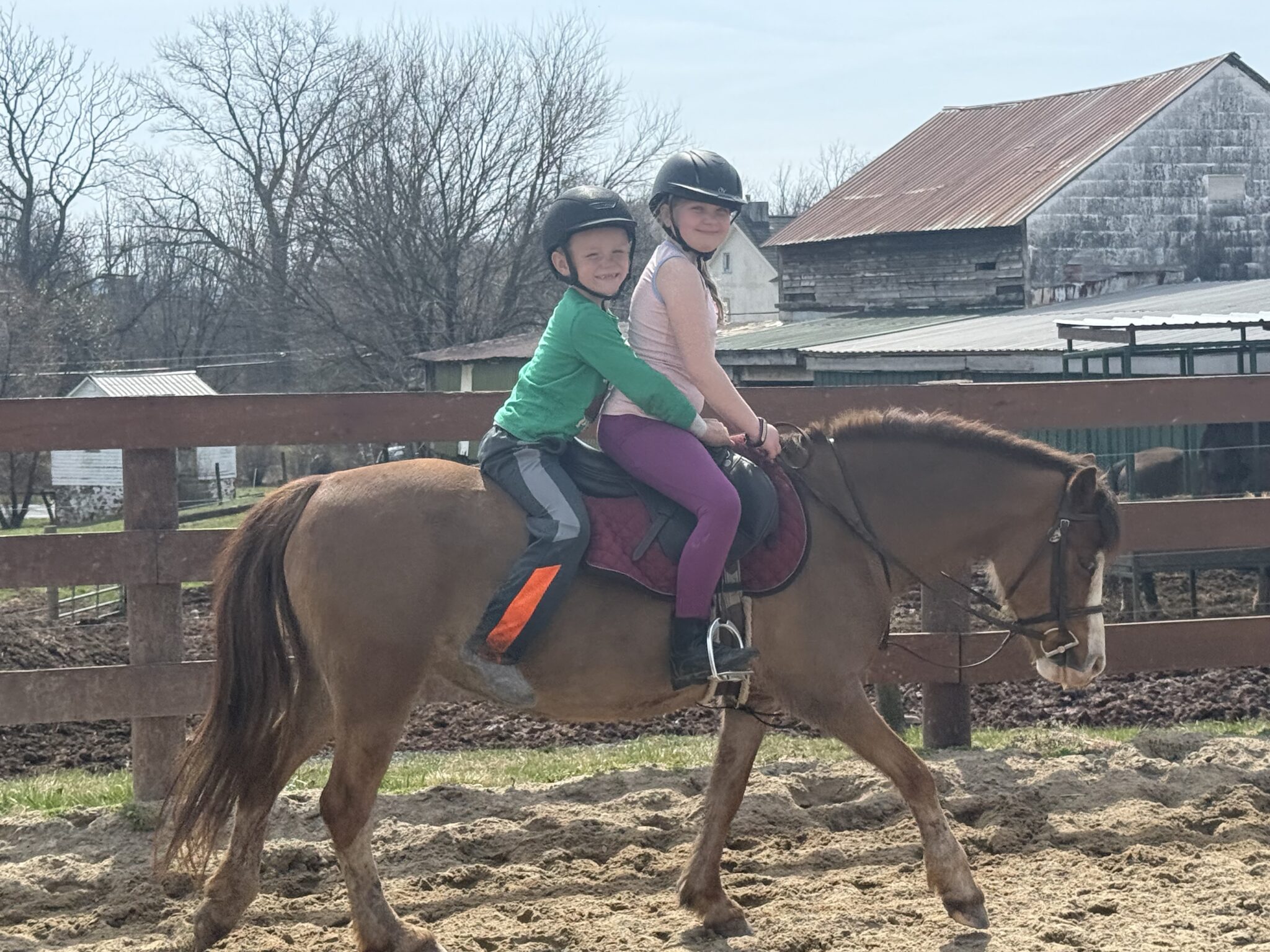
We recently went to my trainer friend’s farm, and from the moment we got there, her family welcomed us with smiles that stuck with me. Her son took my daughters by the hand and showed them around. Her younger son hugged my girls like they had known each other forever.
Before long, my daughter was riding double with her son’s arms around her waist. It was such a small thing, but it made us feel connected to them immediately. Like we belonged there. These are the kind of vibes we should be spreading at home and at shows.
And I think about my kids absorbing all of this and, hopefully, passing it on. I’ve been more careful about putting them in positive environments, and it seems to be rubbing off. I hope I’m getting it right.
Because my kids are part of a tough industry. Trainers are stretched thin, juggling horses, clients, schedules, expectations—giving so much of themselves every single day. Clients are often making huge financial and personal sacrifices to keep riding.
And part of what we can do is to adjust our expectations. Give people grace. Understand we all have complicated lives outside of the horses.
At the end of the day, this horse world is only as healthy as the people in it. Barn friends who help without being asked. The person who stays a little longer to make sure your kid is okay after a tough ride. And trainers who nurture kindness—you can feel it at their barns.
I want my kids to be around that. I want them to emulate it.
I think maybe it’s working, because my teenage daughter went to an awards banquet this year to support her barn. Afterward, the trainer said something that struck me. She noticed how many people came up to my daughter; kids, adults, professionals who stopped to chat.
My daughter hugged many of them like it was the most natural thing in the world. Because she is kind in her interactions, she’s maintained relationships in a sport where it’s often easier to cut ties.
And I realized… this is how kids learn it. Not from being told, but from watching the horse community around them. It makes me think about the kind of horse people we’re becoming. Because what I want my kids to take from this sport isn’t just how to ride, it’s how to be good horsewomen—and great people.