
 April 15, 2026
I’ve been hearing it often from trainer friends: kids just don’t seem to want to work the way they used to. And I see it myself.
Many riders show up, take the lesson, and rush off to the next activity. The days of the true ‘barn rats’ feel long gone. Kids are overscheduled, and sometimes—if we’re being honest—a little entitled.
Sure, the show ring highlights plenty of talented young riders. But the kids with grit aren’t always visible there.
So, it’s easy to look around the barn aisle and wonder where the hard workers are. Kids’ schedules are fuller than ever, with school, sports, and other activities pulling them in every direction.
Barn culture has also evolved toward leasing, owning, and showing—paths that don’t always leave room for the kids who once hung around all day, just hoping trainers might toss them another ride. And yes, some kids simply ride for the thrill of it, without ever developing a deeper passion for the horses themselves.
But I’m not convinced the gritty kids have disappeared.
What I suspect is something more complicated: the pathways that once made their work ethic visible just aren’t as obvious as they used to be.
I’ve been in this industry since I was a gritty kid myself—one of those riders who worked my butt off. My parents paid for one lesson a week, and I stretched every extra minute out of my precious weekends at the barn. I would cobweb all day long if it meant I could ride just one extra horse.
Looking back, I was lucky. My first trainer saw the spark in me and fed it—she valued grit and made room for it. Back then, barns felt full of kids like me chasing that same, extra ride.
That pattern followed me into adulthood, and trainers still saw the hunger in me. In college and graduate school, I cleaned stalls, farm sat, exercised horses, taught beginner lessons—anything that kept me in the horses. Later, I helped with sales ads, client emails, and whatever behind-the-scenes work needed doing to offset my training bills.
None of it was glamorous. But the passion I developed as a kid kept me in the ring as an adult. It kept me gritty.
So, when my own kids—shocker!—fell in love with horses, I knew exactly what I wanted them to learn if they wanted to be in it for the long haul: work first, ride second.
Not because anyone was forcing it, but because that’s what this life had always taught me, and what I hoped to pass on to them.
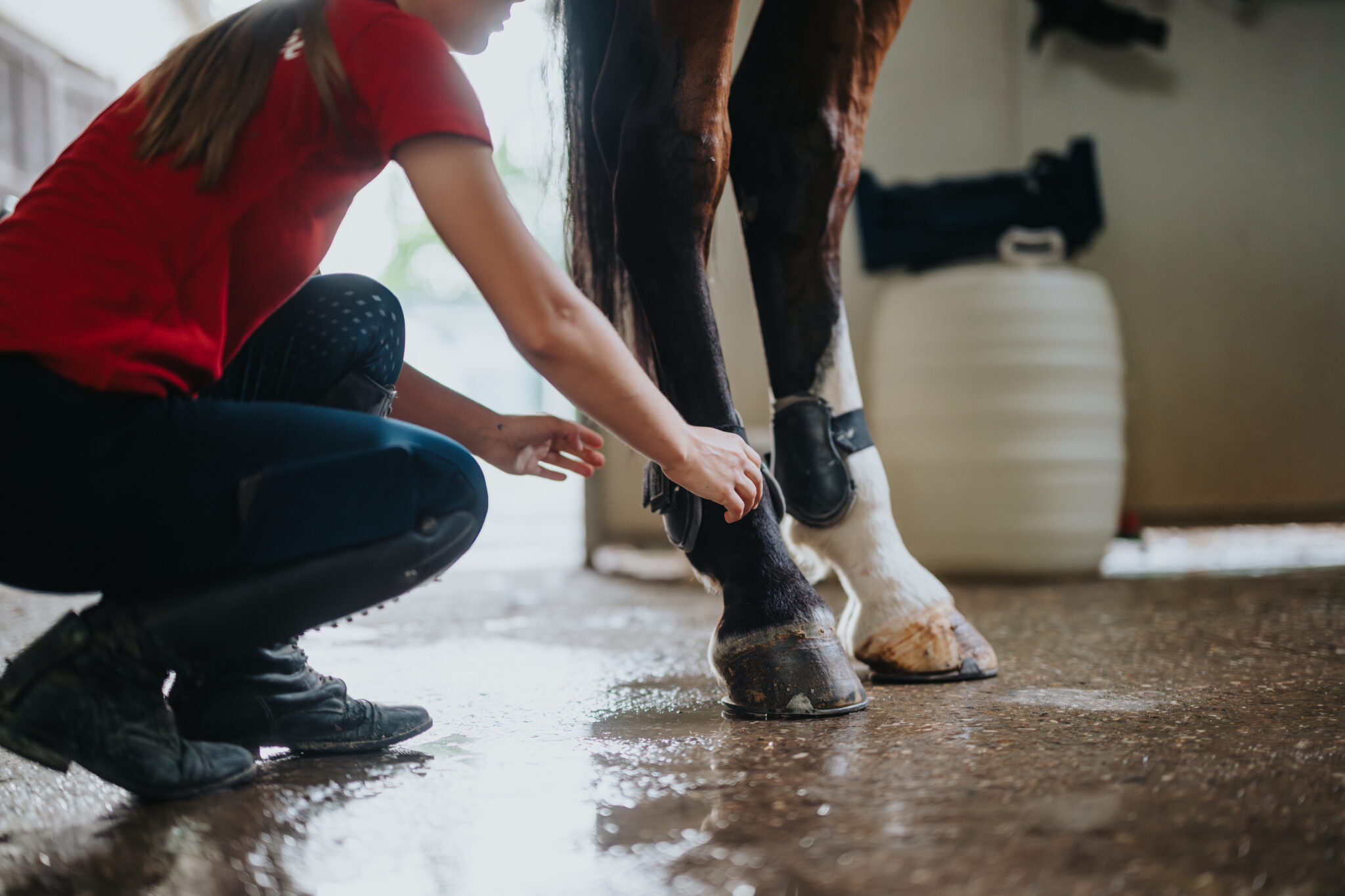
For a few years, we paid board for my oldest daughter, but I still expected her to help around the barn. And she did. No financial tradeoffs. Just learning early that horses are not a passive sport.
When we eventually had to leave that farm because it was too costly, she was devastated. But she understood. And got to work to offset the cost of an expensive sport.
She picked up two jobs: doing chores at a neighbor’s farm and working Saturdays at the local tack store from 10 a.m. to 5 p.m.—prime teenage social hours—while many kids her age were sleeping in or heading to horse shows. She didn’t mind; she was building the habits that shape good horsewomen.
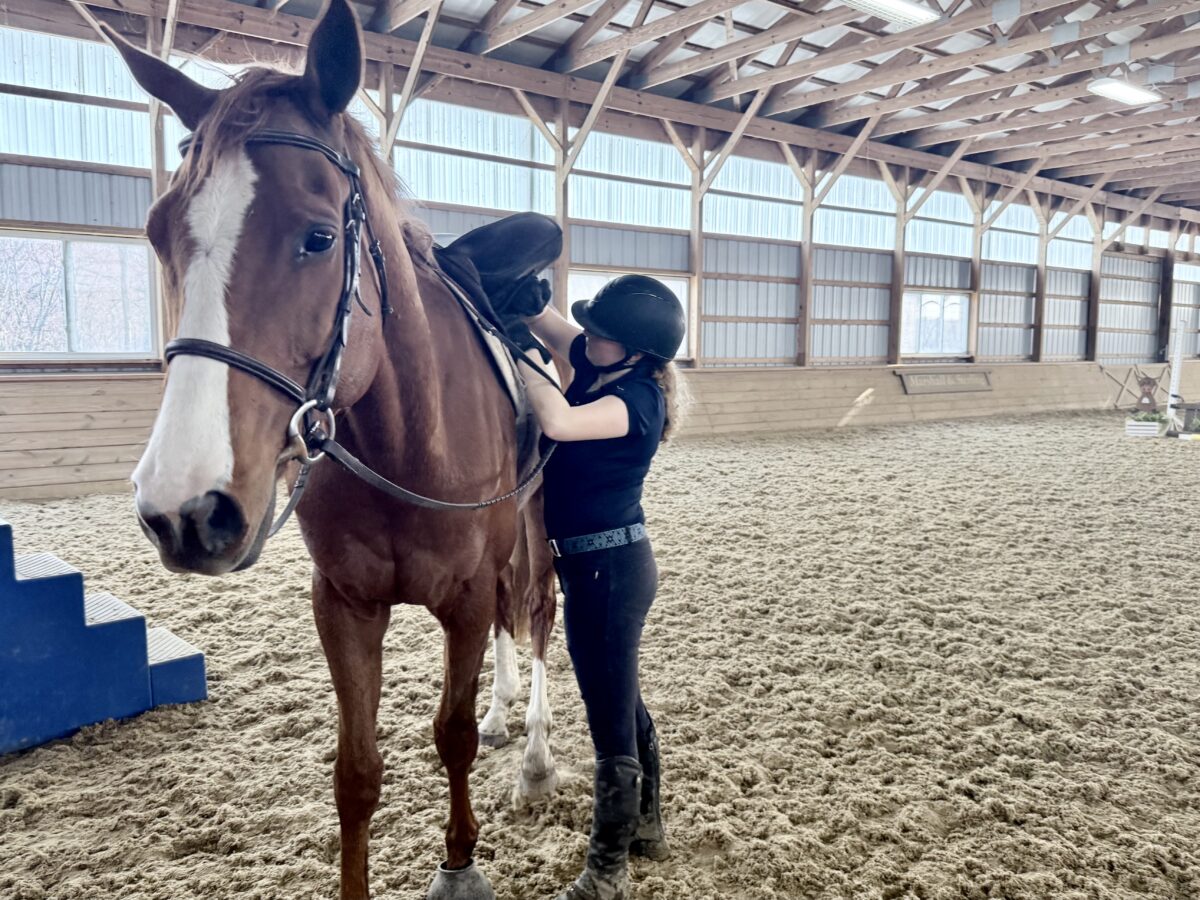
And, over the past few months, she’s been riding at a barn where the trainer compliments and rewards her for her initiative. “I just don’t see many kids like her anymore,” the trainer says.
And the trainer is right; there are fewer of these kinds of kids. I’m just not convinced they’re gone. Perhaps that’s my own bias as a mom and equestrian who was raised in a barn culture that valued that kind of work ethic.
Doing the horses—really doing them—requires blood, sweat, and tears. But in a culture that often expects quick results, the slow work of becoming a horsewoman can be easy to overlook. It’s not just two lessons a week. Not just the fun weekend shows. It’s the unglamorous work.
Like the frigid day a blizzard was rolling in, and my daughter’s trainer mentioned she was short on help. “Let her help,” I said immediately. “She’ll be there.”
I didn’t even need to ask her. I knew my kid would show up.
And, sure enough, there she was, jumping in to fill frigid water buckets and whatever else needed doing before the snowstorm hit.
Because the truth is, it’s not the ribbons, the jumps, or the innate talent that matter most—and I know many good trainers feel the same. It’s the willingness to step into the unglamorous parts of this sport without being asked. That kind of work has always sustained this industry.
I know my daughter isn’t the only one with that kind of deep-rooted drive and passion. She’s not the only kid who asks, “Mom, can I go to the next show? I’ll groom, so it’s less expensive.”
There may be fewer kids like her than there were when I was young, but they still exist, walking down barn aisles with a ‘can-do’ attitude. Kids whose love for the barn runs deep enough that the work feels like part of the privilege of having horses in their lives.
Some of these kids are harder to spot than they once were, buried under dance, soccer, and tutoring. Others never get the chance to demonstrate their work ethic because their families can’t afford the weekly lessons, let alone the show ring.
It’s important, therefore, that the passionate trainers out there still notice the riders who ask, “What else needs doing?”
The riders who show up ready to work, even when no one is watching, often because someone at home has shown them that this is what loving horses means.
And when those trainers acknowledge it—with a few words of encouragement, an extra hack, or another small gesture—it makes a difference. I’ve seen what that kind of support means to my own daughter, and it’s changed how she sees her place in this sport.
She belongs. Her hard work matters.
Maybe we need to look a little closer at the ones staying late to sweep the aisle and wipe down bridles, long after most of the others have gone home for dinner. Let’s acknowledge that the grit that keeps this sport going still exists.
Because all the gritty kids haven’t disappeared. We have to look a little harder to see them.