
 March 22, 2026
There are moments during Road to the Horse when everything looks… I guess you would say, quiet. To first timers like me, it can look like nothing is happening.
But if you ask Elisa Wallace, those are exactly the moments that matter.
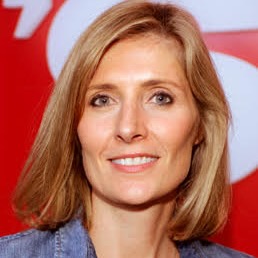
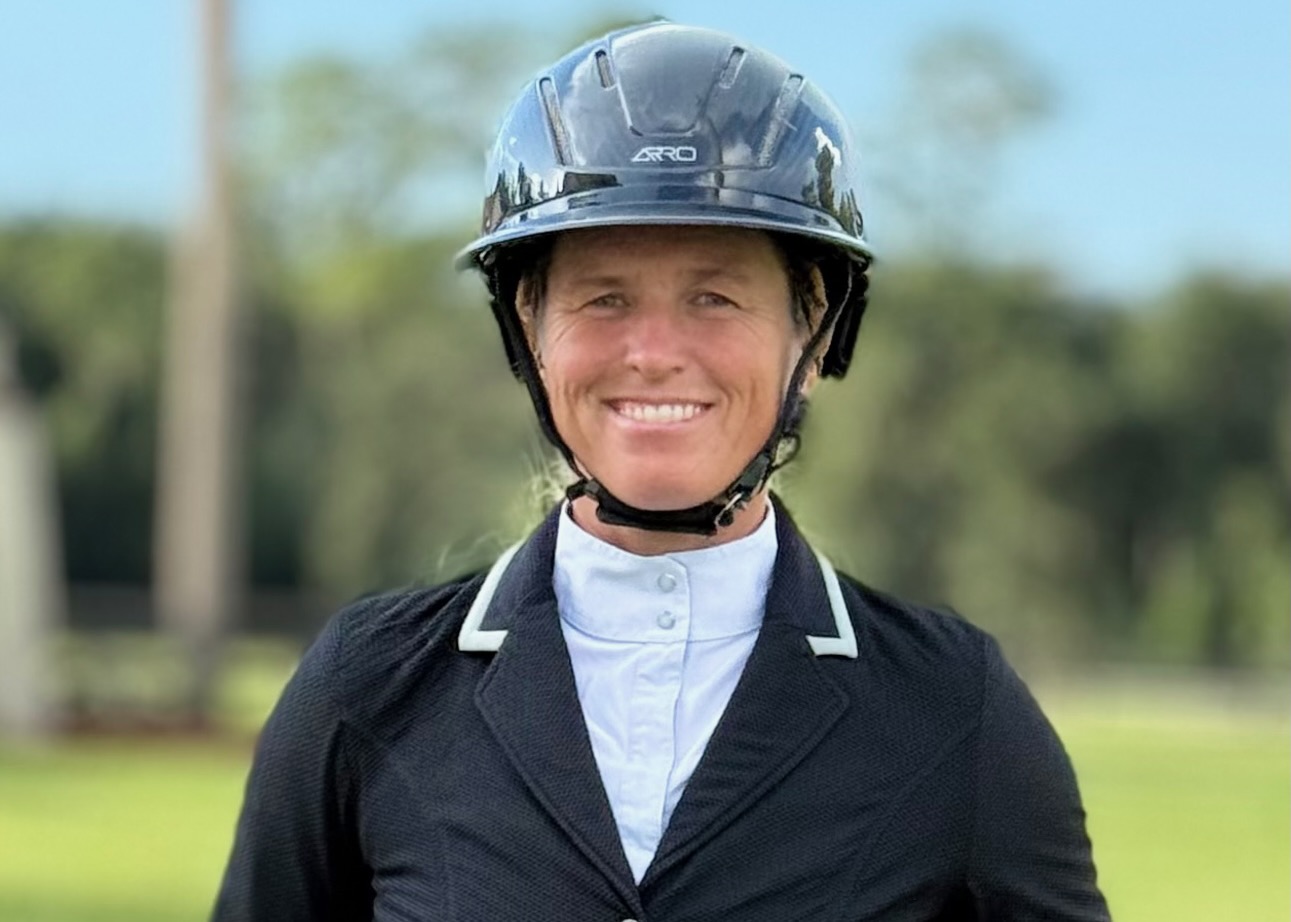
I caught up with Wallace ahead of this year’s competition. She stands out immediately—not just for her incredible resume as a five-star event rider and mustang trainer, but for something more familiar to this amateur hunter-jumper.
She’s the only one in tall boots.
“I like to represent the English,” she said with a smile. “But a well-trained horse doesn’t care what saddle you put on it.”
That philosophy—practical, adaptable, a little irreverent—runs through her approach as she described it before this year’s three-day colt starting competition began. Western saddle, English saddle, flag, rope. Whatever helps the horse understand.
“It’s a little bit of the best of whatever fits the situation.”
The First Five Minutes
Ask any Road to the Horse veteran, and they’ll tell you the first five minutes matter. It’s almost mythological how enthusiasts talk about the start. But Wallace reframes it in a way that feels both simple and a bit profound.
“It’s like walking into a kindergarten class,” she said. “ABCs, one-two-threes… build words, build sentences.”
In those opening moments, she says she’s building a shared language. And before any of that, she’s looking for something even smaller.
“The first ‘yes’ is when they look at you,” she said. “When there’s a lot going on and they lock in and go, ‘Oh… okay.’”
Sometimes it’s even more subtle—a breath, a softening, what she describes as a kind of emotional exhale.
“It’s like when you come home after a long day and sit on the couch and feel that blanket come over you,” she said. “You feel that with them. Like—okay. We’re together now.”
The Emotional Game (Yours, Not Theirs)
If there’s one theme that kept resurfacing in our conversation, it’s this: the horse isn’t the hardest part. You are.
Wallace credits much of her emotional discipline to her work with mustangs—horses that demand clarity in timing, feel, and self-awareness.
“They’re very good at making you be aware of your timing,” she said. “And your emotions.”
When things start to tighten and get tense, her reset is surprisingly familiar and still so elusive to any of us who have ridden a fresh horse or walked into the show ring.
“Control your heart rate,” she said. “It’s the same.”
And here’s where it gets counterintuitive. Many riders, when a horse gets tense, instinctively slow everything down. Move quieter. Smaller. Softer. But Wallace has learned the opposite can be true.
“If I feel like I’m tight and moving really slow, I need to create rhythm,” she said. “That helps everybody relax. It helps me relax, helps the horse relax. If you have movement and rhythm, it’s a lot easier to breathe.”
Why? Because slow, creeping movement can feel predatory.
“What do predators do when they’re stalking?” she asked. “They move very slowly.”
Instead, forward movement can actually create a sense of security and partnership. It’s one of those insights that, once you hear it, you can’t unsee it. In fact, Wallace was skipping and hopping beside her filly when she got started in the round pen.
When Nothing Is Happening
If you spend time watching Road to the Horse, you’ll notice that the highest scoring competitors often look the least busy. I asked Wallace about those moments—the ones where it seems like the rider isn’t doing much at all.
“Horses learn from the release,” she said simply.
That quiet? That pause? That’s not downtime. That’s where the learning locks in.
It’s the space where the horse processes, absorbs, and begins to understand.
To the crowd, it can feel like a lull. To the horse, it builds the foundation and communication.
When It Goes Sideways
No matter how experienced the rider, things can go wrong. Wallace’s approach is refreshingly straightforward in those times.
“If it’s not working, try something different,” she said.
Or sometimes—do less.
“Take a second. You can make the pen feel very big, or you can make it feel very small. It’s your mindset.”
In other words: time isn’t the constraint. Your perception of time is. And when mistakes happen? Acknowledge them. Then move on.
“Otherwise you start to make more mistakes and more mistakes,” she said. “You just go, ‘That’s okay.’”
Understanding vs. Compliance
One of the interesting distinctions Wallace makes is between a horse that understands and a horse that simply complies. They can look similar—especially to the audience. The difference?
“Relaxation,” she said.
A horse can perform while tense. Many do. But the goal is softness. Not just doing the thing—but doing it without forcing it.
By Sunday, after three intense days, what does Wallace actually want?
“I want it to feel like a fun song,” she said. “Like you both know all the lyrics and everything’s flowing.”
And more than that: “I want the horse to feel confident. Like—‘Yeah, let’s go tackle that.’”
Sounds familiar to me. It’s the same feeling every rider is chasing, whether it’s a mustang, a youngster on a pony, or a seasoned jumper in the show ring. Some people call it flow. That moment when it stops feeling mechanical—and starts feeling like a conversation.
The Thing We Get Wrong
Before we wrapped, I asked what the audience most often tends to misread. Her answer was both generous—and telling.
“It’s easy to be a critic when you’re not in the round pen,” she said.
There are a thousand ways to train a horse. A thousand approaches. A thousand philosophies.
And yet, listening to Wallace, you’re reminded that the best horse trainers—no matter their background—tend to agree on the goals: Clarity. Timing. Feel.
And the discipline to do less, not more.
Watch all the action from the World Championship of Colt Starting: