June 10, 2026
Not every rider leaves a barn because of something big. Sometimes, they just slowly disappear.
They stop asking questions. Then they stop lingering after lessons or feeling excited to go to the barn. Eventually, they stop coming altogether.
A lot of the time, it’s not because the trainer isn’t talented, kind, or knowledgeable. It’s the accumulation of smaller moments—things that seem insignificant on their own but slowly shape how someone feels walking into the barn every day.
So how, as a student or a trainer, do you avoid getting to that point? Learn to recognize the signs.
1. Good trainers include everyone.
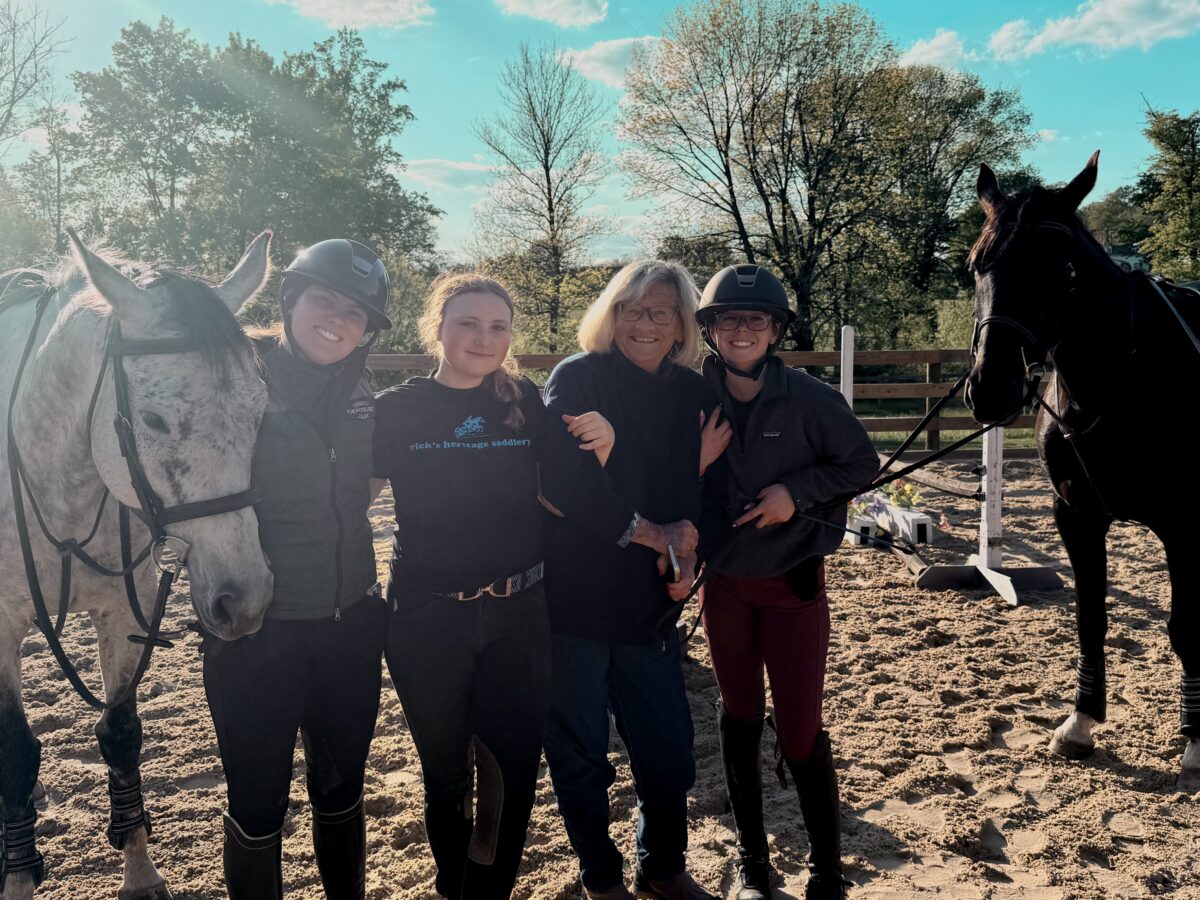
One rider’s round gets talked through in detail while another gets a quick “good job” before everyone moves on. One rider has a trainer standing at the in-gate every round while another quietly handles more on their own.
Sometimes it even shows up in who consistently gets handed off to the assistant trainer while others receive the head trainer’s time and attention.
And, yes, part of that is the reality of trainer life. The riders showing more, spending more, and riding more are naturally going to get more of the trainer’s time. That can’t always be avoided.
But riders without those same opportunities still notice how they are treated within their budget. They notice whether they are encouraged, anyway, and whether someone still takes the time to teach them. Whether they are made to feel valued on the horse they have instead of embarrassed over the horse they don’t.
And there are ways to balance the equation.
Trainers can add local shows, in-house clinics, schooling days, barn parties, or little opportunities so riders who cannot afford rated shows or pricey events still get to feel part of something special. The kid on the project pony still gets to pin a ribbon to the stall door and feel proud—and that’s important.
A huge part of this sport isn’t about winning ribbons or mastering flying changes. It is about belonging. Riders know when they are part of the fold, and they know when they are standing just outside of it, pretending not to care, while their heart is sinking inside.
2. Good trainers realize when riders stop speaking up.
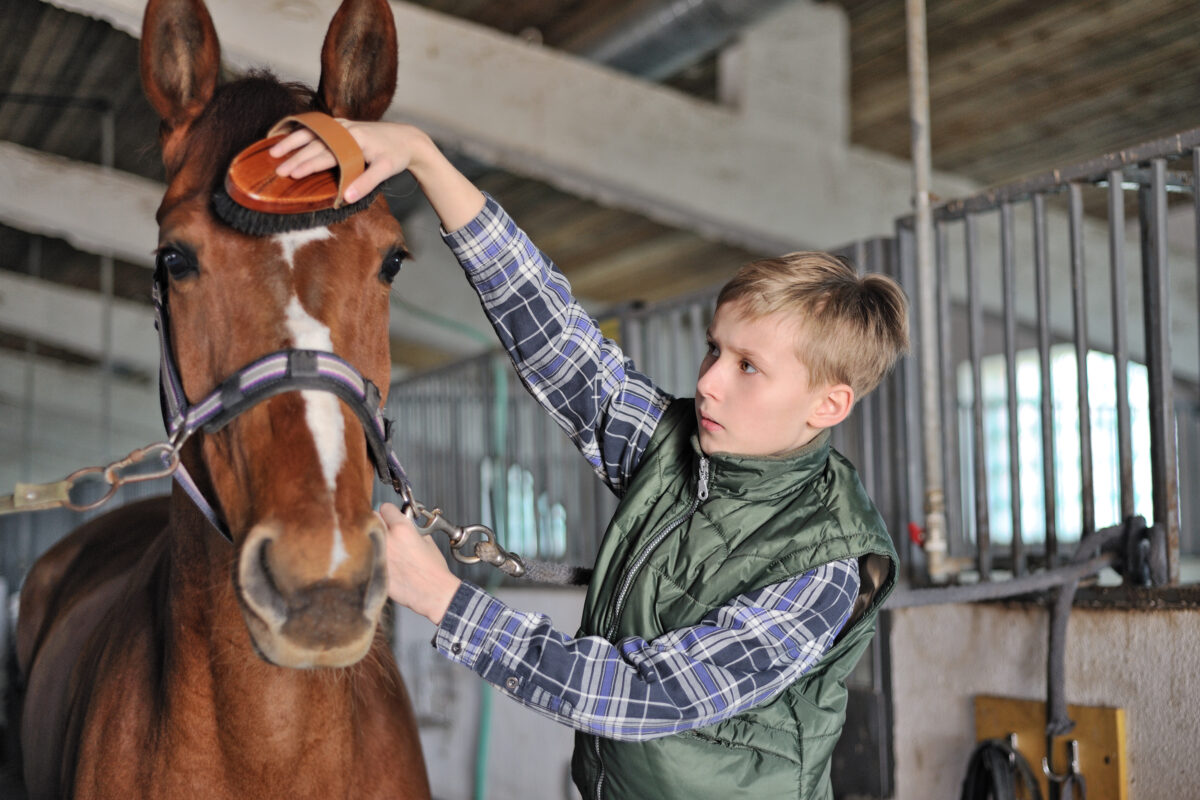
A child admits they’re nervous after a stop and hears, “Just kick.” Or he or she asks a question and walks away feeling stupid for asking it—maybe because they tried to explain something about their horse and were cut off halfway through the sentence.
Those brief moments with a trainer may seem small from the outside, but for riders who are already trying hard to build confidence, they linger.
I still remember asking my kid’s trainer once if my daughter’s horse might be off behind and being told, “You don’t know what a good mover looks like.” It made me second guess myself immediately, though my instincts were right. Even though I’ve owned hack winners.
One dismissive comment was enough to make me wonder if we even belonged at that barn. And if it feels that way as an adult, imagine how it feels as a kid.
3. Good trainers offer encouragement mixed with constructive criticism.
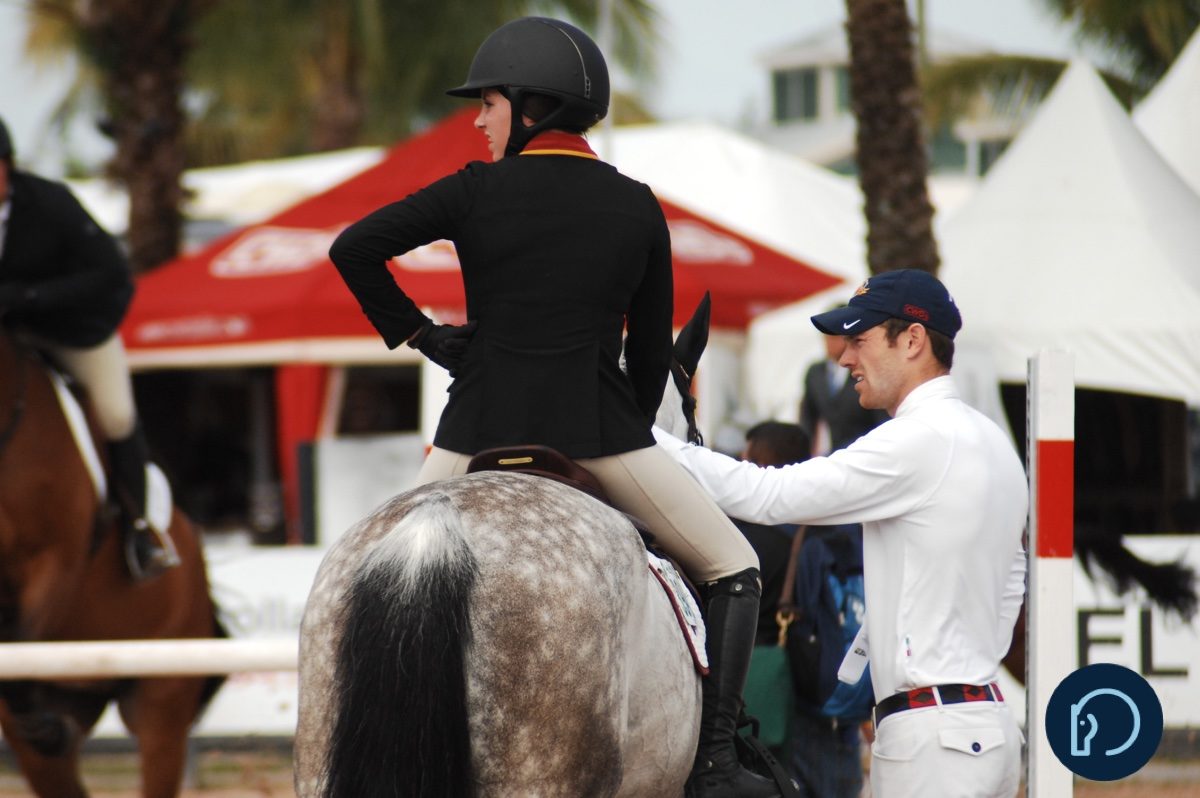
There’s a huge difference between correcting someone and constantly tearing them down. Riders expect feedback—most don’t expect to be coddled. That’s part of learning.
But I know when my daughter rode with a trainer who constantly criticized her, she eventually stopped asking questions altogether. She kept her mouth glued shut because she was afraid of sounding stupid or getting snapped at again. But do riders learn that way? Does it keep them showing up and committed to a program?
When every lesson feels like disappointment, when yelling becomes normal, it slowly chips away at confidence instead of building it.
4. Good trainers notice quiet effort.

The rider braiding at 5 a.m. The teenager holding horses at the ring while everyone else grabs lunch. The beginner rider on the older, half-lease horse who still shows up every day eager to help, despite knowing they may never have the fanciest horse in the barn. The rider who is nervous to show but always comes to cheer on barn mates.
Those riders remember the trainers who notice them. The ones who say “thank you.” The ones who say, “Hey, I see how hard you’re working.” Or, “I love your positive attitude….”
I’ve been incredibly grateful for the trainers who saw my daughter’s work ethic instead of overlooking it, even though our budget was limited. The ones who rewarded her willingness to work with opportunities, trust, and extra rides. But smaller gestures matter just as much.
5. Good trainers look for ways to instill confidence instead of shrinking it.

Hugs. Holiday gifts. The trainer who brought my daughter dinner. The “YES!” yelled across the ring after she finally nailed an exercise.
These moments made my daughter feel like family instead of just another client. As a parent, I pay attention to all of this—and I think adult riders feel it too.
Most people are not looking for perfection or constant praise. They are looking for signs that they matter beyond their budget, ribbons, or results. Signs that they are respected, supported, and genuinely wanted in a program.
6. Good trainers realize that riders want to leave the barn feeling better than when they arrived.

This can be as simple as the trainer who says a rider’s name when they walk in instead of barely looking up from their phone. Or explaining how to shorten a mane instead of rushing to do it themselves.
The trainer who remembers a student had a hard day at school and asks how their week went. The trainer who circles back after a tough lesson to make sure a rider is okay instead of just moving on to the next client.
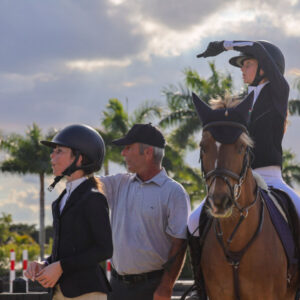
The one who makes a nervous kid laugh before they walk into the show ring or offers a quick smile at the in-gate that says, without words, You’re okay. You belong.
***
Most trainers are being pulled in a hundred directions at once. They are teaching lessons, managing schedules, answering texts, handling emergencies, coordinating horse care, dealing with clients, and trying to keep an entire business running. It is an exhausting life with a high rate of burnout.
But that’s also why the small, positive moments matter so much. Because even in the middle of the chaos and overwhelm, trainers who make riders feel seen stand out.
And while most trainers are doing their absolute best in a demanding and difficult profession, the smallest moments shape a rider’s experience the most. I know so many trainers who do these things beautifully, every day, often without even realizing the impact they’re making.
Because riders may eventually forget ribbons and rounds, but they never forget the trainers who made them feel supported, valued, and safe to grow.