
 October 23, 2025
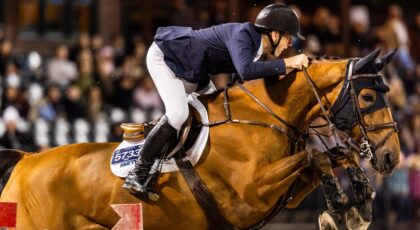
When it comes to equine fitness, we tend to think of a racehorse at its peak speed; an undeniable athletic feat, a muscular 3-year-old galloping at a full-out sprint, nostrils flaring and sweat beading as it crosses the finish line.
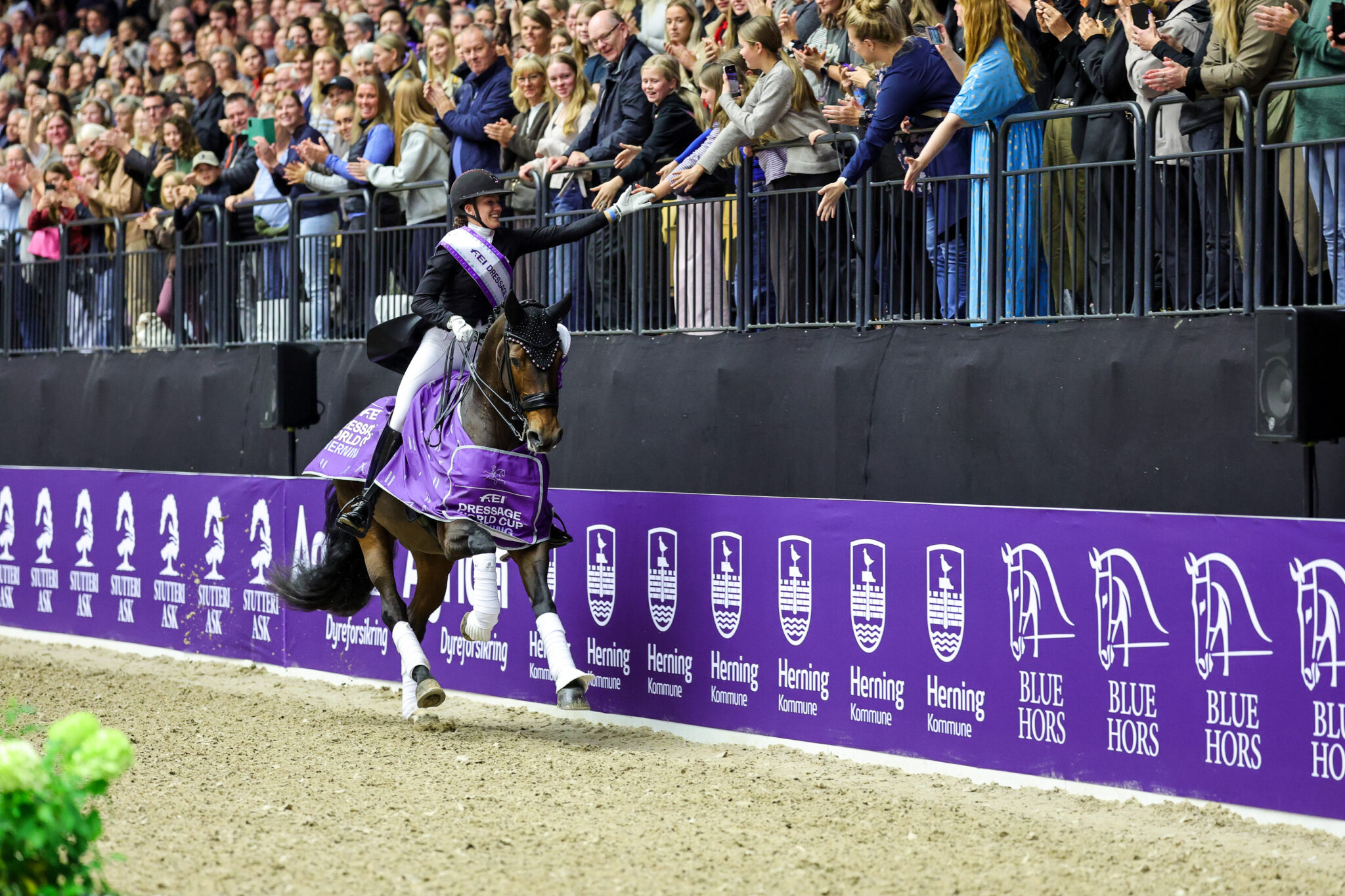
But according to Jec Ballou, an equine fitness specialist, a horse’s fitness is much more sophisticated than simply intense cardiorespiratory fitness. Her expertise is primarily in dressage, where strength is pivotal for optimal performance. But to gain strength you have to start even more simply.
In this episode of Horse Person, Ballou explains the multifaceted nature of fitness in horses of all disciplines, including her belief that only about 30% of sport horses she sees are currently well fit for their job.
Listen to The 30% Problem: What We’re Missing About the Horse’s Fitness, with Jec Ballou on Horse Person:
But that doesn’t mean we’re all out here pushing our horses to do a job they’re not capable of or don’t want to do. Fitness in horses incapsulates proper muscle, cardiovascular fitness, and symmetry within the body, and there is also a significant link between the neuromuscular adaptations, stability, and a functioning nervous system.
“The more we learn about horses, the more we understand how much movement they need,” Ballou said in this episode. “Not necessarily high intensity or sophisticated or complicated movement, but just movement.”
She breaks down simple movement exercises in her book, 55 Corrective Exercises for Horses, which can be as simple as two minutes per day to improve a horse’s stability and strength. A horse simply knowing where its feet are ties into the mental state required to achieve a higher level of fitness.
“What commonly happens is we get horses pretty fit aerobically, but if the underlying structure is weak, we get this super revved-up engine on a weak chassis,” she explained. “It’s like having a sports car engine in some Datsun that’s falling apart.”
Through the course of the episode, Ballou breaks down the factors that affect fitness, the difference between strength and muscle, and the link between fitness and behavior, something that should make adult amateur riders breathe easier.
Ultimately, she believes keeping your horse at a good level of fitness can be really simple, and she walks us through what that could look like, no matter the age, discipline, or current fitness level of the horse.
Listen to The 30% Problem: What We’re Missing About the Horse’s Fitness, with Jec Ballou, and let’s raise that 30% to 100%.