
 May 19, 2026
Brought to you by Three Mares.
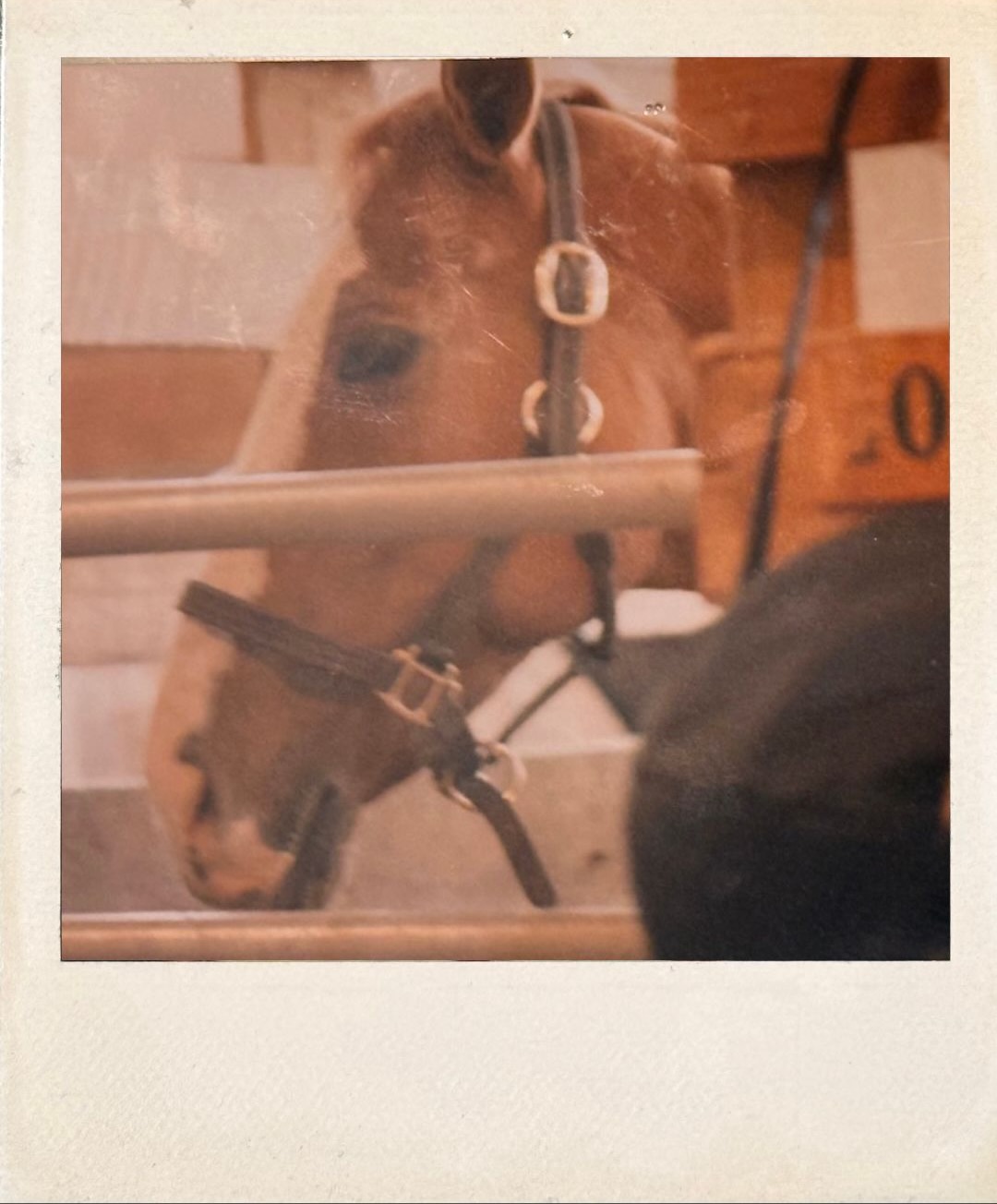
When I was 11, my mother bought me an off-track Thoroughbred named Justin, even though our family was already under serious financial strain.
On paper, this sounds wildly irresponsible. In reality, it may have been one of the most loving things anyone has ever done for me.
I was an only child, and for much of my early life, it was really just my mom and me. My stepdad entered the picture later, when I was around ten, right around the same time horses did. My first riding lessons were through our local park district, and my mother, who had zero horse experience, likely had no idea she was accidentally introducing me to one of the most expensive sports on earth.
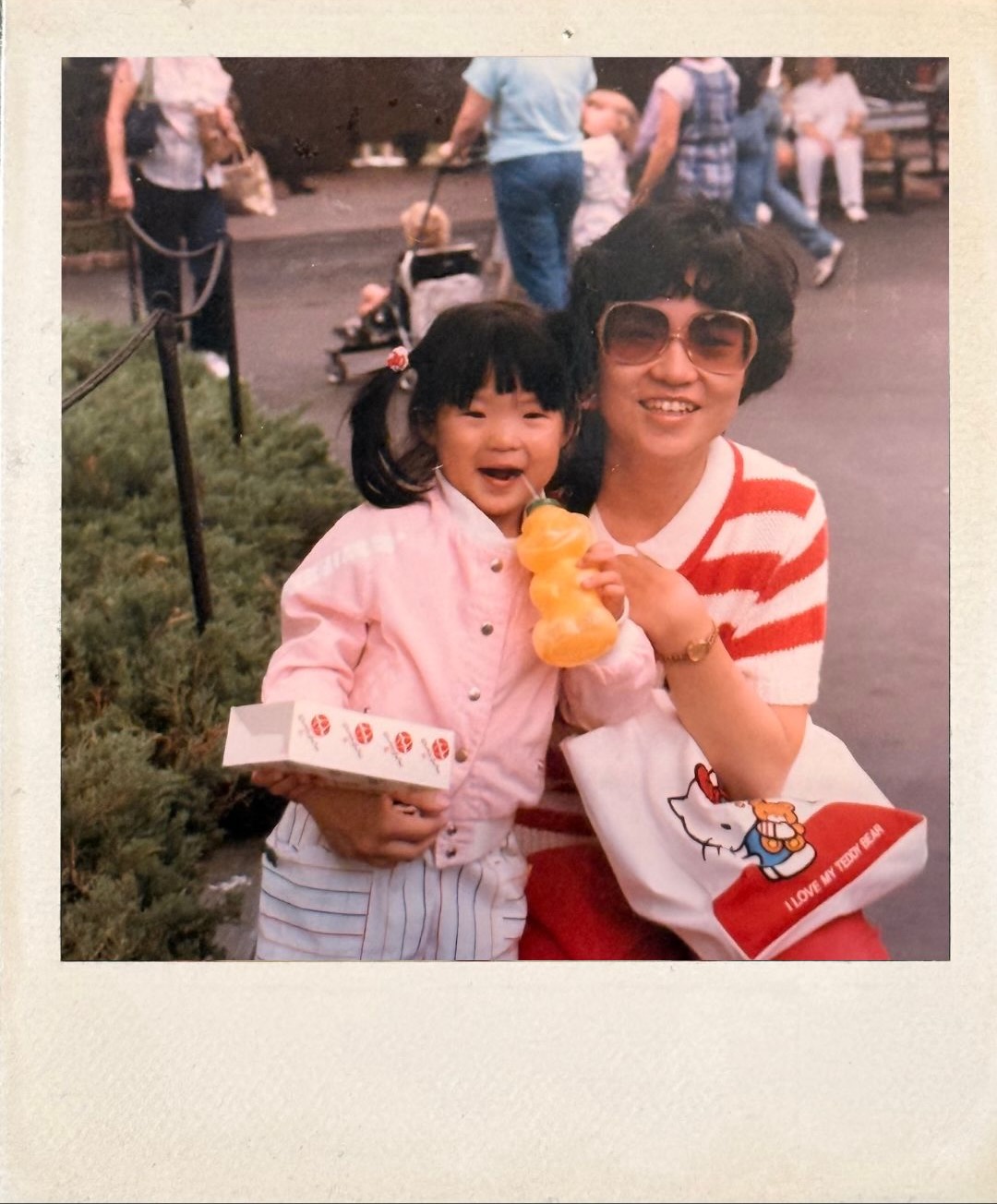
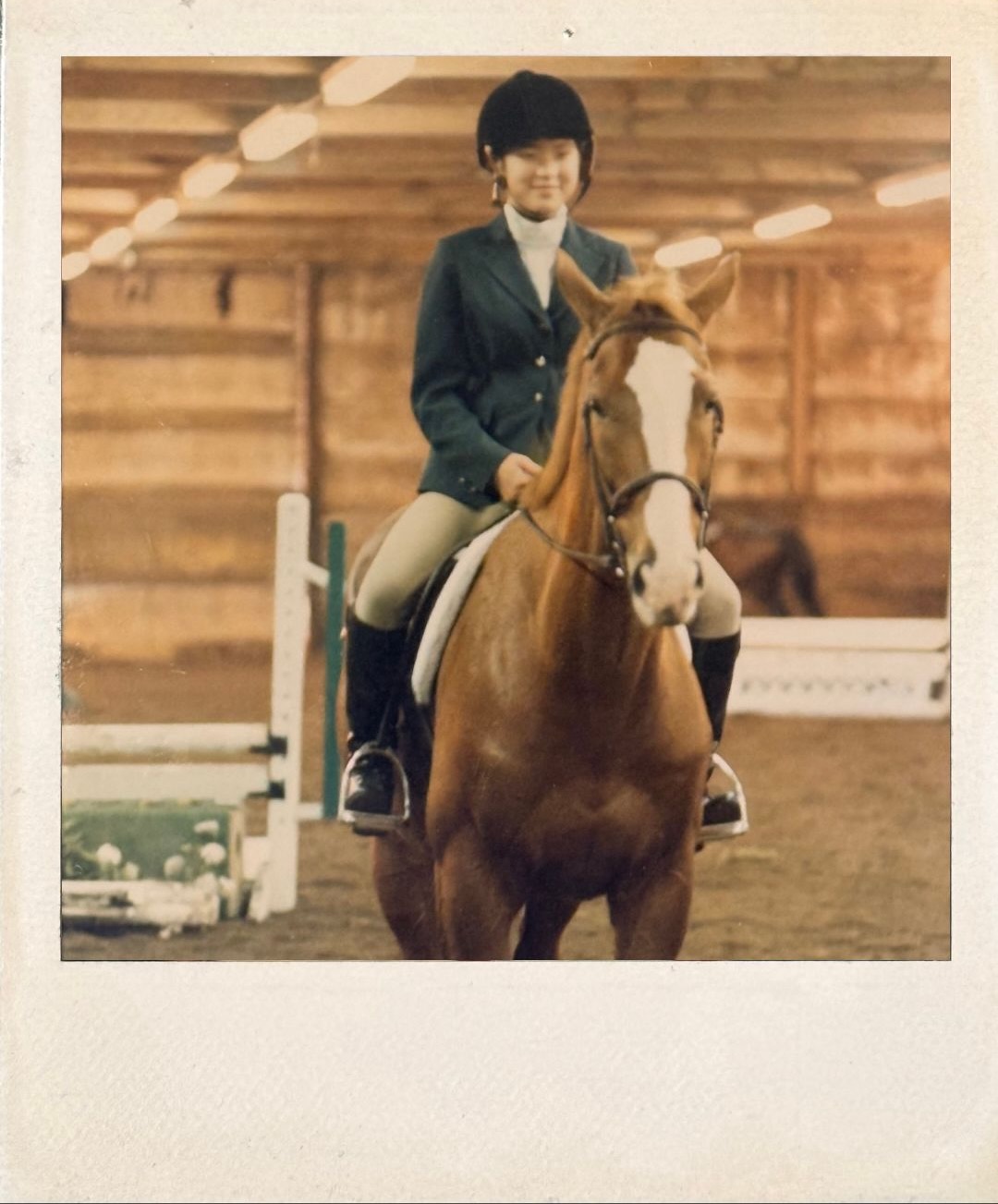
She only knew that I loved it.
And I needed something to love. I was a lonely kid who often felt like I existed between worlds, too American to feel fully Taiwanese and too Taiwanese to feel fully American. Horses became the one place where none of that mattered. I knew how to belong there.
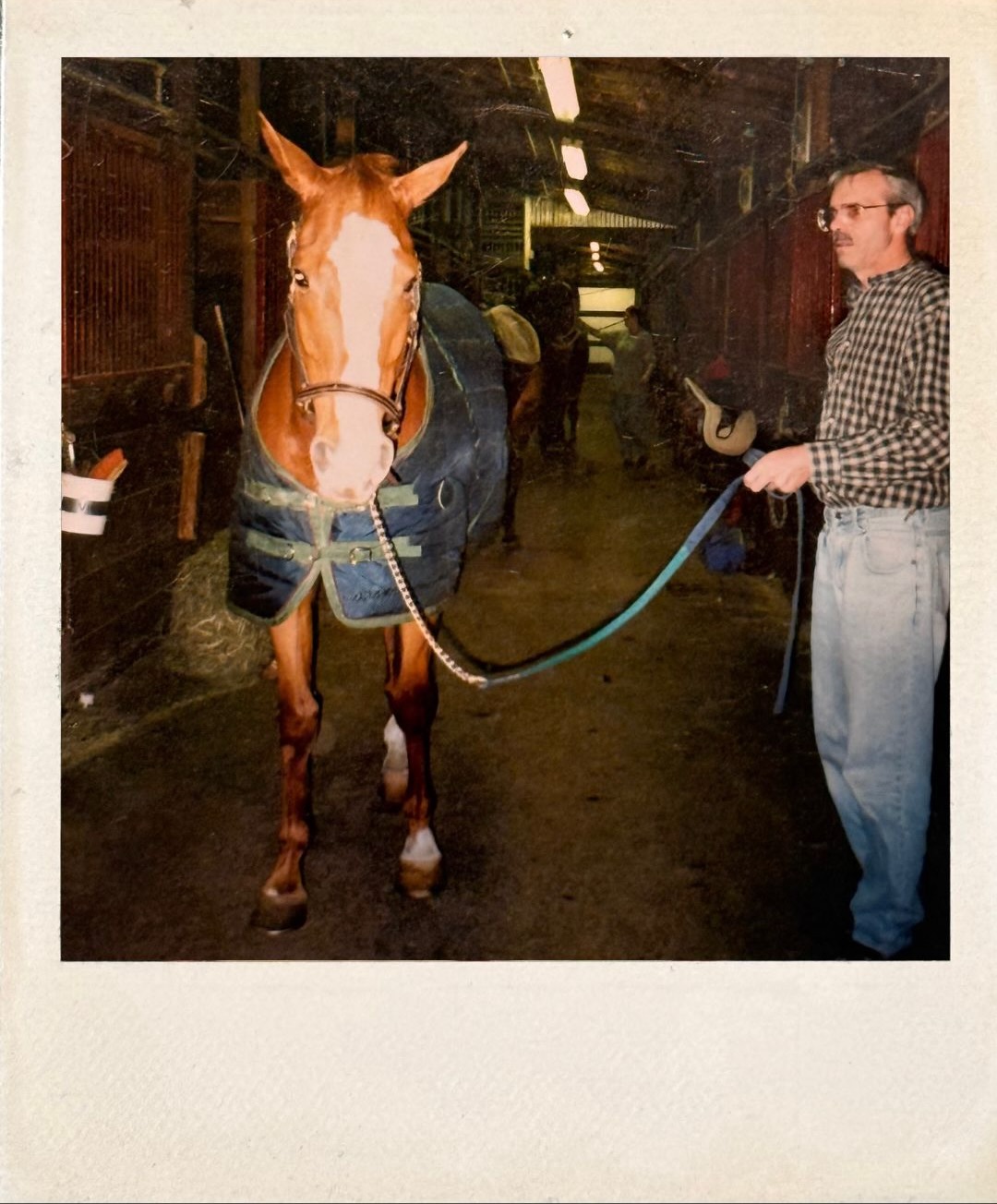
Eventually, I got Justin. He cost $3,000, which felt like an enormous amount of money in the late 1990s, especially for my family. He was everything to me.
Then I walked away.
Part of it was burnout. Part of it was the yearning to be a “normal teenager.” Part of it was financial reality. My parents eventually filed for bankruptcy, and while horses were not the sole reason, I internalized the idea that they were part of the problem. Even though I was a child and had zero control over the financial decisions adults were making, I carried guilt about it for years.
Somewhere along the way, I convinced myself that horses were irresponsible. They were indulgent. Walking away felt like growing up.
I stayed away for nearly thirty years.
Then my mother got breast cancer.
The year she died felt like every adult responsibility arriving at once. I had two young children at home, including one who was still a baby. I was working in an executive role that didn’t slow down simply because my personal life was imploding. I spent months driving five hours between Michigan and Illinois while taking calls from the car because there were problems at work only I could solve.
At the same time, my mother was dying.
I helped move her into hospice. I handled funeral arrangements. I cleaned out a storage unit. I helped empty a condo that had become borderline unliveable as my mom got sicker and my stepdad got older. There were too many things, too much stuff, and endless decisions that no one wants to make while watching someone they love disappear.
After my mother died, I moved my stepdad to Michigan so he could be closer to me. At first, he needed physical rehabilitation, and the facility he stayed in happened to be right down the street from where I now ride. I would drive past horses on my way to see him and think, maybe someday.
Eventually, he improved enough to move into independent living. Then one day, while I was helping him fix something on his phone, he asked me to look at his banking app.
I opened it and realized he did not have enough money to cover next month’s rent, which was nearly $9,000.
I remember feeling my entire body go cold.
His reaction was essentially a shrug.
No panic. No urgency. No real surprise. It was as if he had already accepted that this problem belonged to me now.
And in many ways, it did.
I spent months navigating Medicaid applications, touring facilities, filling out paperwork, and trying to understand a system that seems specifically designed to break people when they are already exhausted. I was angry that he hadn’t planned better. Angry that his lack of planning had become my emergency. Angry that I was now cleaning up another financial mess that I didn’t create.
And then, right in the middle of all of it, I started riding again.
Even that felt selfish.
I was spending money on horses while my stepdad was running out of money. I was taking time away from my husband and kids. I was trying to justify doing something that brought me joy while everything else felt heavy.
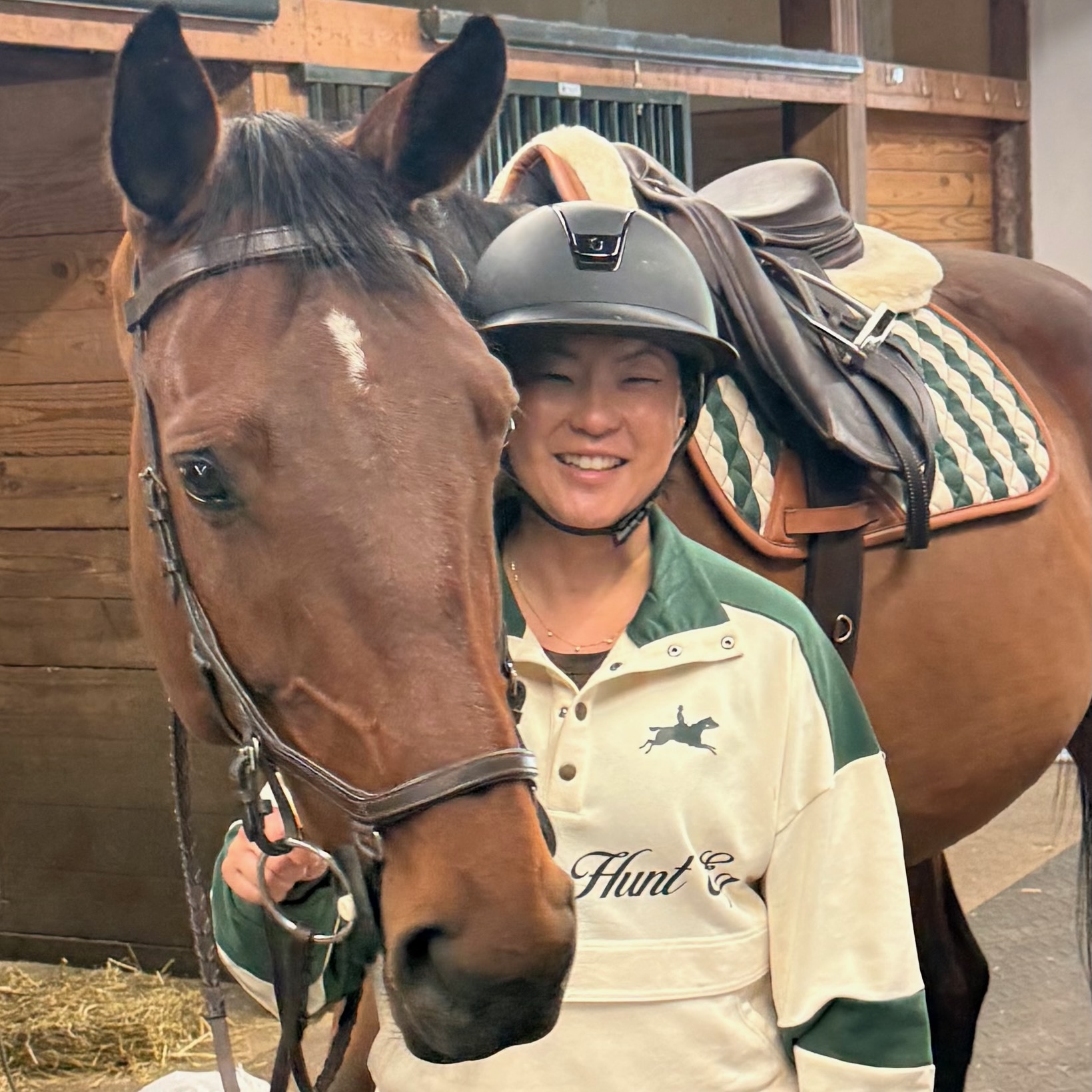
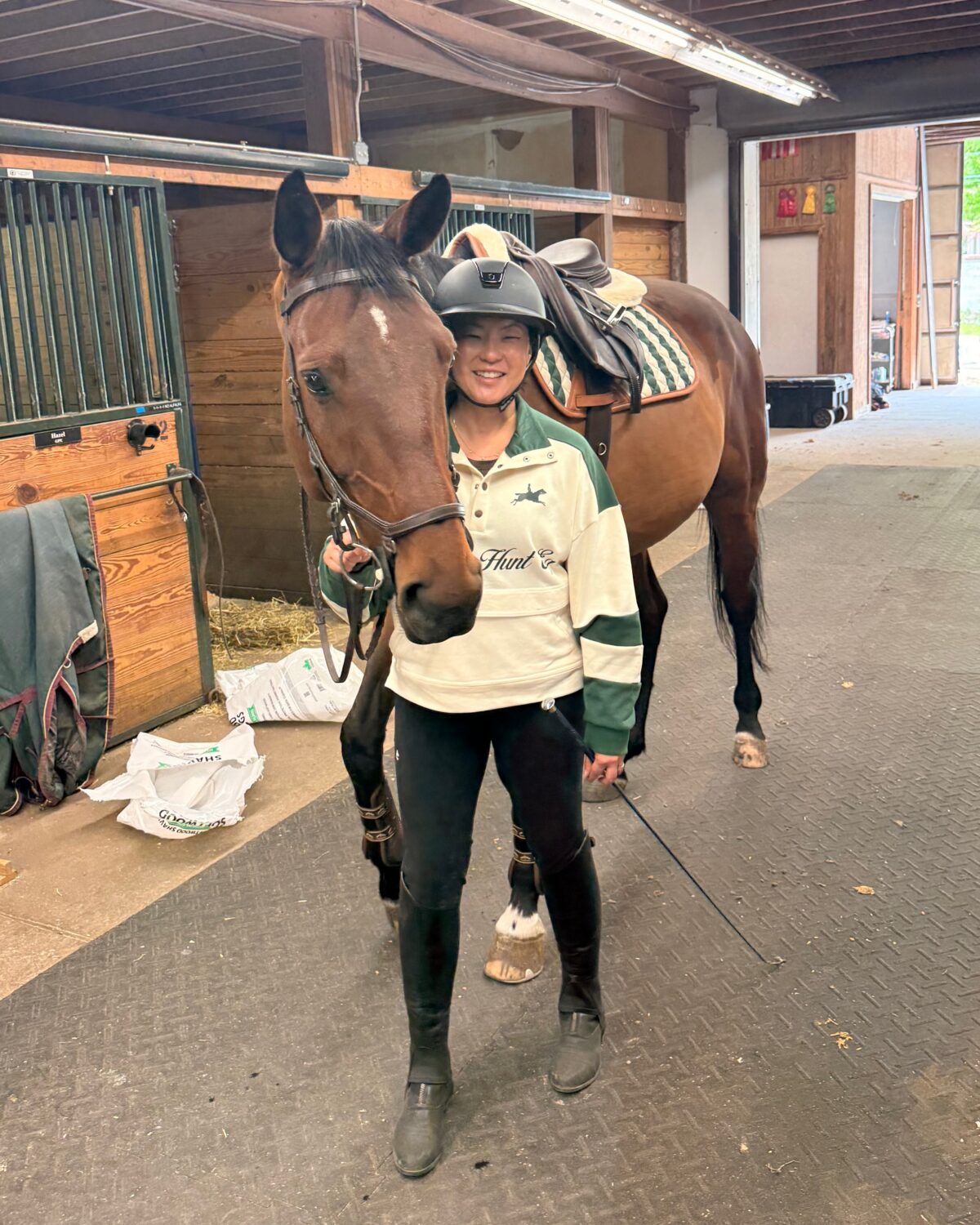
But when I got back on a horse for the first time in 30 years, it felt like I had come home.
My muscles strongly disagreed. I could barely walk for days afterward. But the muscle memory was still there, and for the first time in a very long time, I wasn’t someone’s employee, wife, mother, daughter, or crisis manager.
I was just myself again.
And I realized how badly I needed a place where no one needed anything from me.
My relationship with my stepdad remains complicated. I can be deeply angry at him and still love him. Those things coexist. He is still my children’s grandfather, and they adore him. They are also watching me navigate this season of life, and I think about that constantly.
I don’t want them to inherit financial avoidance.
I also don’t want them to watch me martyr myself into resentment.
I want them to understand responsibility, but I also want them to understand that adults are allowed to have lives that belong to them.
After my mother died, I realized there wasn’t a single photo of me, my mom, and my horse.
She was always behind the camera.
That feels fitting now. She spent so much of her life making sure I got to be in the frame.
Even now, after difficult visits with my stepdad, I often drive straight to the barn.
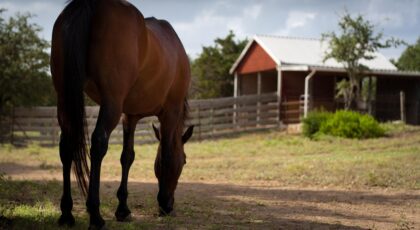
The best part is walking past the paddocks. Beau, the horse I part-lease, usually looks up, pricks his ears, and starts walking toward me.
There is no better feeling than watching a horse choose your direction.
After days spent solving everyone else’s problems, it feels a little like being welcomed home.
And I think my mother would be furious if I gave that up again.
This story is brought to you by Three Mares, a collective of equestrian brands that donates 100 percent of its profits to organizations working to make equestrian sport more accessible, safe, and inclusive for all athletes. Like Orchid. Like you. Learn more at thethreemares.com.