
 October 29, 2025
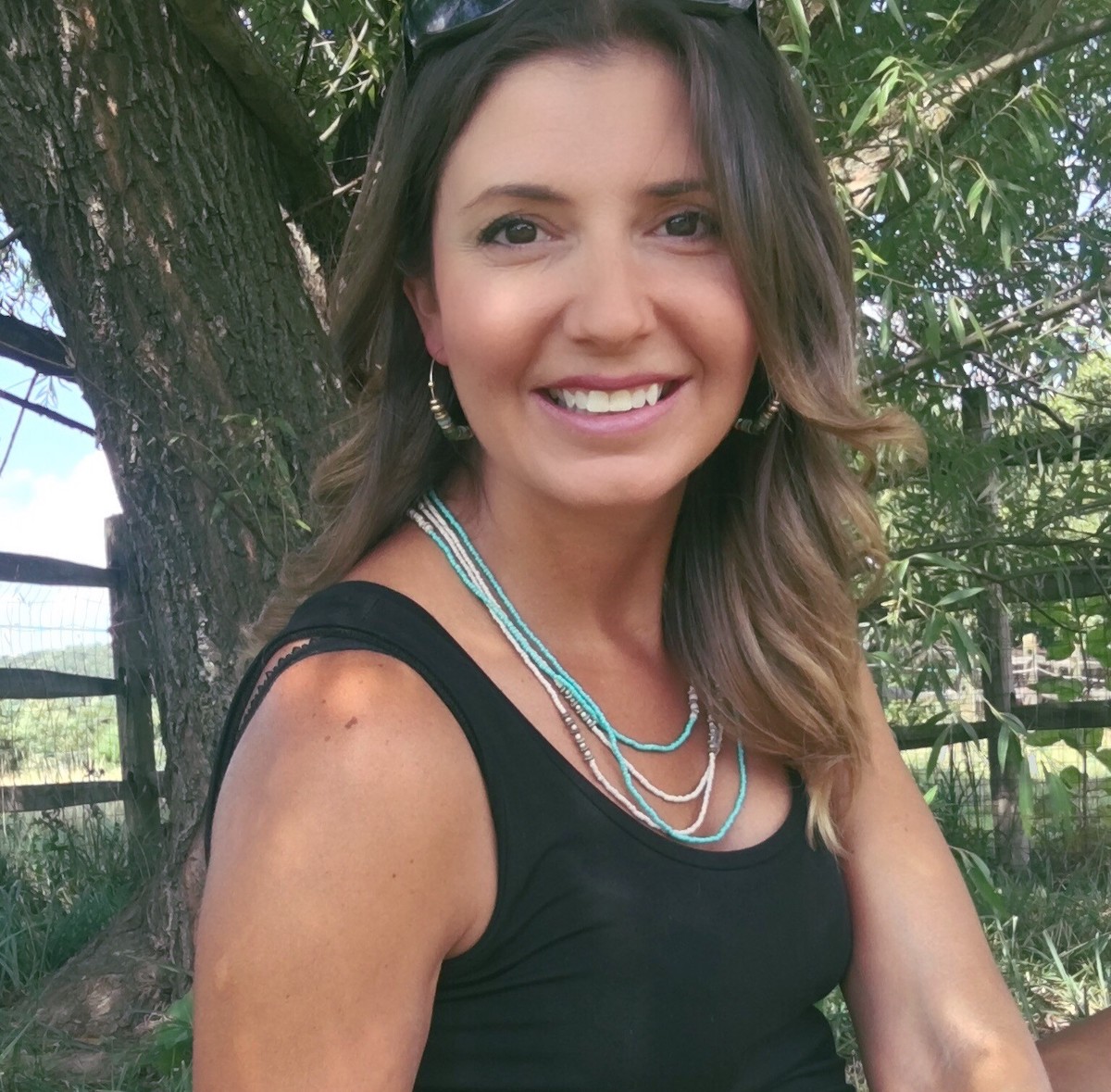
For more than three decades, Days End Farm Horse Rescue (DEFHR), in Woodbine, MD, has stood as a beacon of hope for neglected and abused horses, transforming lives through rescue, rehabilitation, and education. Under the leadership of Chief Executive Officer Erin Ochoa, DEFHR has evolved from a respected local rescue center into a nationally recognized authority on equine welfare. Ochoa’s vision extends far beyond crisis intervention; she’s shaping how the entire industry approaches education, prevention, and sustainable animal welfare. As DEFHR embarks on an exciting new chapter with its planned National Equine Welfare Center, Ochoa reflects on her two decades with the organization, the lessons she’s learned, and the legacy she hopes to build.
I came to DEFHR 20 years ago, at a point in my career when I was seeking a place where my leadership skills could intersect with my love of horses. DEFHR’s mission immediately resonated with me—not only its commitment to rescuing horses in crisis through law enforcement partnerships, but also its strong foundation in education and community inclusion. It was clear to me from the beginning that this organization had something special, and I wanted to be part of its growth.
When I accepted the role of CEO, I saw an opportunity to take DEFHR from a locally respected rescue to a nationally recognized market leader. Over time, my vision has evolved from focusing primarily on rescue and rehabilitation to positioning DEFHR as a hub for equine welfare education, advocacy, and even tourism. Today, we’re not just caring for horses—we’re helping shape how the entire industry thinks about equine welfare.
I’m proud of the horses we’ve saved, the staff I’ve mentored, the $6m capital campaign that’s now more than halfway funded toward facility improvements and the foundation of our planned National Equine Welfare Center.
But my proudest achievement is seeing DEFHR become a trusted national partner to law enforcement and equine professionals. We’ve earned a seat at the table in shaping the future of animal welfare, and that’s something I’m incredibly excited to see unfold.
There’s really no “typical” day at DEFHR. It might start with feeding and medical care for our horses, then move to training sessions, volunteer coordination, or consultations with law enforcement. In the office, we’re just as busy: fundraising, managing programs, working on strategic initiatives, and connecting with our donors. The variety keeps every day dynamic and rewarding.
Humbling Resilience
One common misconception about rescue horses is that they are somehow damaged or untrusting. In truth, many go on to become extraordinary companions, show partners, and therapy horses.
Horses have an incredible capacity to forgive and to learn. They often rediscover trust despite being prey animals whose natural instinct is caution. Their resilience is both humbling and inspiring, and they shouldn’t be defined by the circumstances in which they were placed.
Another misconception is that horse ownership is simple. In reality, it’s a serious, long-term responsibility.
Horses are expensive to care for, can live well into their 30s, and have complex physical, emotional, and husbandry needs. At DEFHR, we help ensure that adopters understand this commitment and partner with them for the lifetime of their horse, serving as a forever resource and support system.
We evaluate success not just by how many horses we rescue, but by the depth of transformation we create—horses restored to health, volunteers trained and inspired, officers better equipped to handle cruelty cases, and communities educated about responsible ownership.
Success also means sustainability: the ability to keep doing this work at a high standard for years to come.
My leadership style is vision-driven within a culture of accountability, shared ownership, and passion for excellence. In the short term, my focus is on completing our capital campaign and the corresponding facility improvements that will support expanded programs and impact.
Long-term, I want the National Equine Welfare Center to become an international destination for education, training, and innovation—a place where knowledge, compassion, and sustainability intersect to shape the future of horse care and protection.
Sustainability is, in fact, our biggest challenge—balancing the immediate needs of horses in crisis with the long-term resources required to support them. We rely on donor support, so we’re strategic about diversifying funding streams and using our capital campaign to strengthen infrastructure. Bringing donors along on that journey, helping them see their tangible impact, is essential.
Addressing Neglect at Source
Over time, DEFHR’s approach has evolved from being primarily reactive to becoming a proactive leader in education and prevention. Through training law enforcement, publishing resources, and public engagement, we’re addressing neglect before it starts. Community outreach is central to that—whether we’re hosting school groups, partnering with tourism networks, or showing up at local events, we’re building trust through transparency and inclusion.
We’ve also seen changes in the landscape of equine neglect. Today, many cases stem not from outright cruelty but from overwhelmed owners struggling with rising costs, limited access to land, or personal hardship.
The well-being of horses is directly tied to the well-being of their caretakers. That’s why the future of equine welfare must include systemic support for people, not just horses.
Education is at the heart of everything we do. Every horse we rescue is a life changed, but every person we educate has the power to prevent suffering from ever happening. We collaborate closely with law enforcement, providing expertise, facilities, and evidence collection. We often testify as expert witnesses and act as the voice for the horse, ensuring that compassion and justice go hand in hand. We also use storytelling and immersive experiences to connect people emotionally to our mission, creating lasting empathy and understanding.
Personally, horses have taught me patience, resilience, and presence. They live in the moment, free from resentment or worry. Many have suffered unimaginable neglect, yet they still find a way to trust again. Their forgiveness and strength inspire me every day.
Even on the hardest days, I’m motivated by the transformations I witness—seeing a horse go from emaciated and hopeless to healthy, vibrant, and ready for adoption never loses its impact. I’m equally inspired by our volunteers, whose dedication and love remind me why this work matters.
Ultimately, I envision a future where rescue is less about crisis response and more about prevention, education, and sustainability. I want DEFHR to remain both a frontline rescue and a thought leader in equine welfare. I hope that the organization continues to thrive as a place where people and horses heal together—where education changes perspectives and compassion ripples outward into the community.
My legacy, I hope, will be an organization that’s financially strong, nationally influential, and rooted in empathy; an enduring force for good that transforms both horses’ and people’s lives for generations to come.
Learn more about Days End Farm Horse Rescue and horses currently available for adoption, here.