
 September 3, 2026
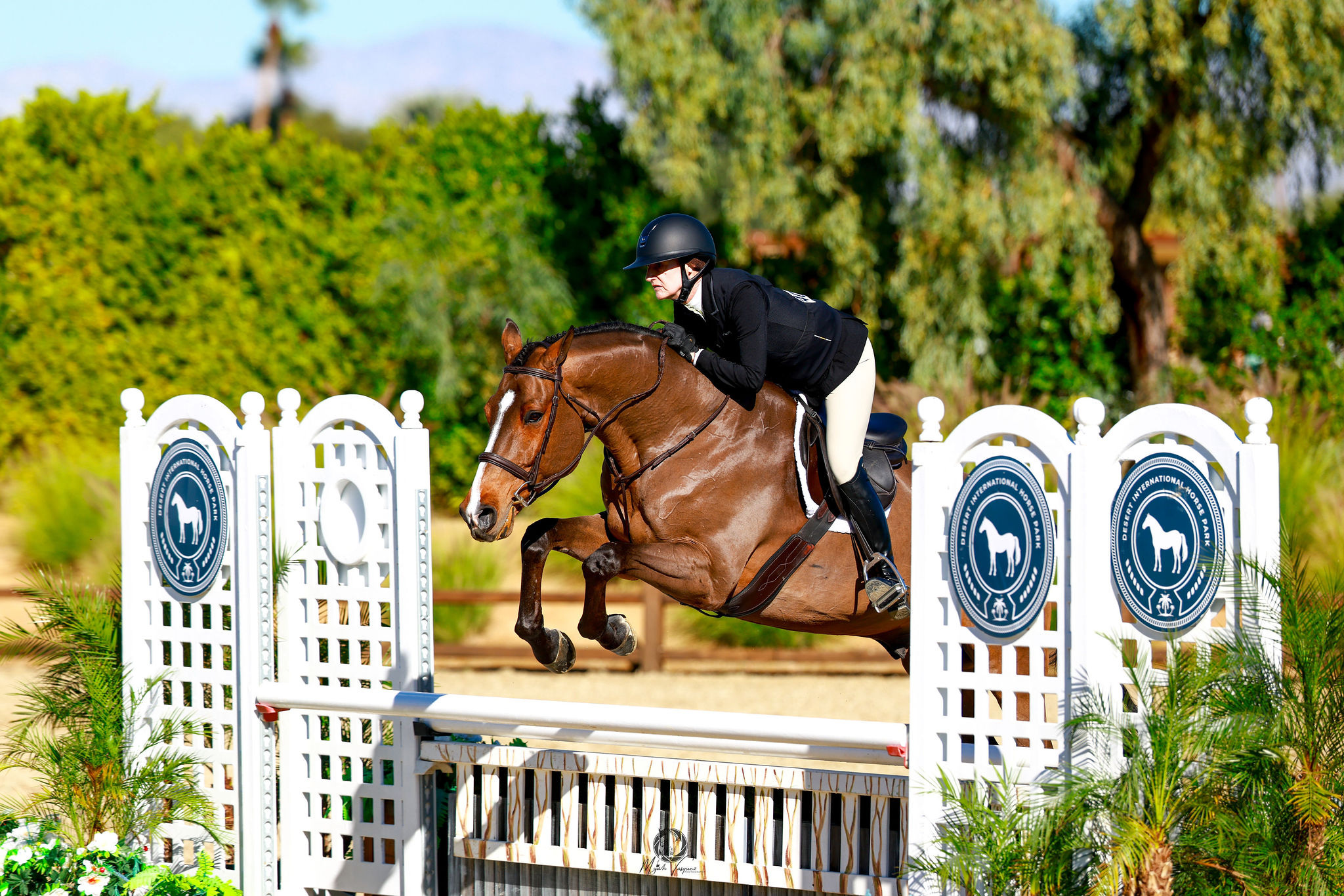
This is not your usual piece about older riders losing their nerve, or struggling with an accident, or being unable to execute tasks at a high level. Rather, this is a story about navigating change. About the developmental milieu of being an older athlete in a high risk sport—the fact of which brings both unbelievable gifts and new challenges.
There is much to celebrate about being an older athlete, even a decidedly old one.
Personally, I am in the late fall of my life and I have worked with many individuals at a similar or even later stages. With a few seasons behind us, it’s not our first rodeo: we arrive in any situation—in or out of the arena—with a bounty of experience, perspective, and knowledge.
We’re experts and leaders in many things, because we have studied, worked, and just existed for a long time. If we’ve done a good job, we’ve got the skills, maturity, and confidence that go with it.
We older athletes can see the long view when others can’t yet. We know what’s important in riding—and in life—and what’s not. We know how to do things, and we know how to find others who know how to do the things we can’t.
We’re secure in ourselves; we realize it’s not a narcissistic flaw to ask for help.
And we’re much less afraid in many ways. We’re sure of ourselves, not so concerned about what others think of us and—hopefully—free to speak our minds, share our wisdom, and mentor others.
Another gift of aging is gratitude.
With greater perspective and experience—both in and out of the saddle—comes a sharp awareness of and thankfulness for the good stuff.
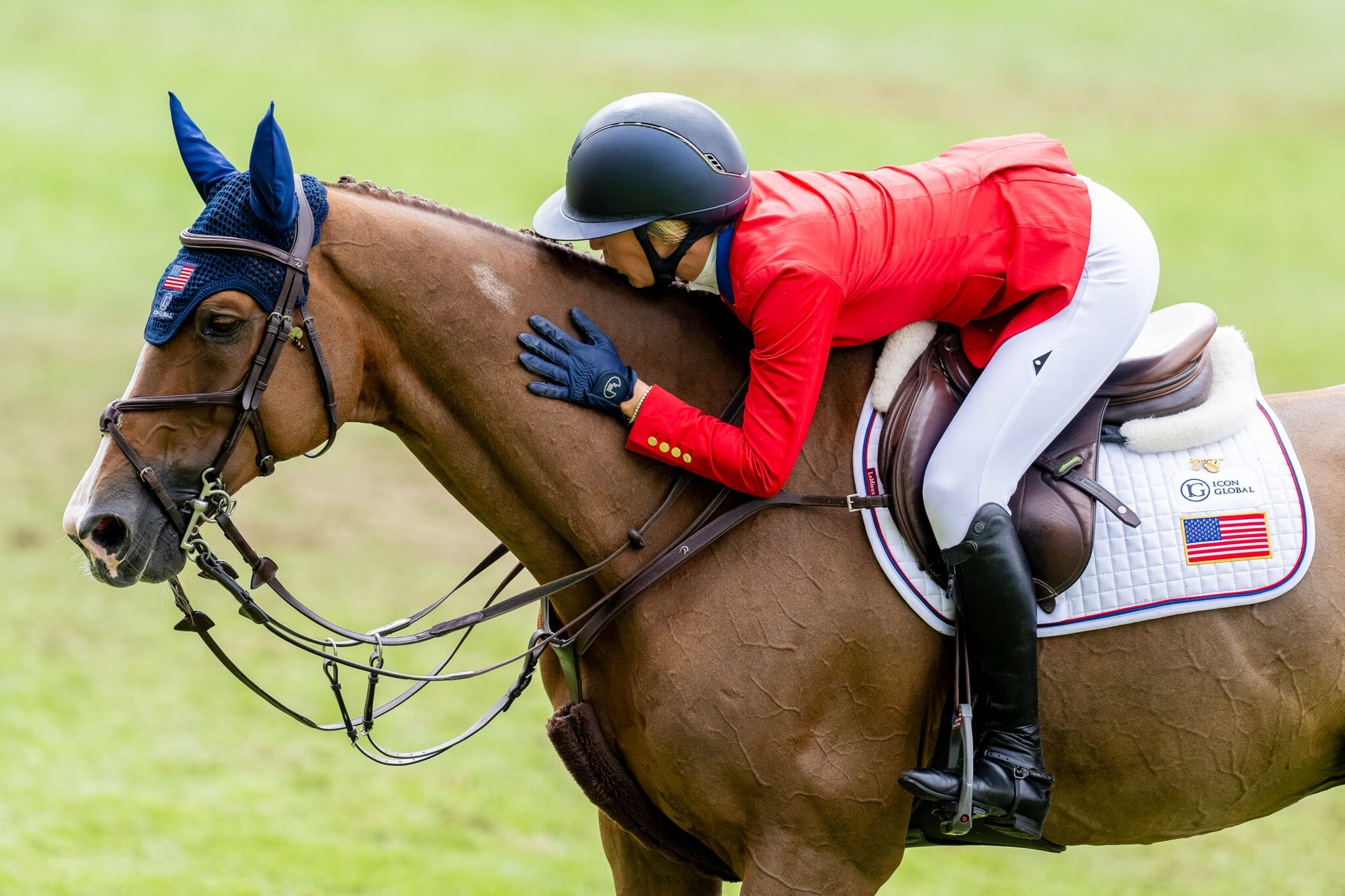
Personally, I think gratitude emerges in part because we are increasingly aware of both the fragility of life and of our own vulnerabilities. We have sustained losses in our lives, making us keenly aware of what we have now. We know our 17-year-old horse won’t compete forever, and we cherish each ride. We also know that we ourselves won’t compete forever, and we cherish our time too.
As we age, we’re aware of the ending of things, and therefore of the preciousness of those things.
While we older athletes are more confident and secure in many ways, one of the challenges we face as we age is a higher level of physical fear and a lessened tolerance for risk.
I think this is the experience of most people as they age, but certainly it shows up as a challenge for us older athletes. Our sport, in particular, is objectively fast paced and high risk. Mistakes can land us on the ground, and it’s no joke that we older athletes don’t bounce as well anymore. It hurts to end up in the dirt.
We’re more aware of that risk—and as such live and ride with a little more fear than we used to. While the fear is not paralyzing or disabling, it does quietly lurk in the back of our minds. The awareness of our vulnerability can’t be ignored.
For a long while, I tried to dismiss my growing sense of vulnerability.
Like most equestrians, I’ve always prided myself on being tough. But with a little more fear lurking in the back of my mind, I don’t feel as tough any more. It’s uncomfortable.
My trainers say, “You’re not old! You look great; you’re stronger than ever.” That is nice to hear, but the internal feeling doesn’t always match the external presentation. As much as I tried to will myself out of the feeling, I was stuck with a sense of frustration rather than a solution.
So, after some contemplation, I decided to change my internal conversation and become more compassionate with myself about my fear.
In my performance psychology practice, I counsel clients to lean in to their weaknesses, rather than deny them. The fact is that it’s only by becoming really knowledgeable about our fears and challenges that we are empowered to help ourselves navigate through them.
Moreover, I find that resisting or fighting our genuine feeling adds an emotional layer of angst on top of the fear or challenge, which just gets in the way of dealing with it.
Trust me: it doesn’t help to be angry at yourself for having fear. In the end, my approach is always to be practical and solution-oriented, and condemning myself for how I feel is just a waste of time.
Do I wish that I felt freer to ‘just trust,’ as my trainer advises me, and go forward through that blind turn, knowing if I do so, a perfectly fine—maybe even awesome—distance to that big oxer will show up?
Yes, I do wish I felt more confident to do that.
I used to feel freer and more trusting, but now it takes more internal work to get there. Thank goodness I have trusty steeds with lots of scope and great brains—they help me feel confident and work through my nagging fear.
It’s not my first rodeo, and it’s not my last, either. You better believe I’ll keep working on this.