April 29, 2026
Sweeping aisles. Filling water buckets. Cleaning tack. Picking feet. Helping out in the ways that don’t involve sitting in the saddle.
From the outside, it looks like ‘barn chores’—or even busy work. A lot of time and effort that has nothing to do with becoming a better rider. But if that’s all you see, you’re missing the most important part of the sport.
Being an equestrian is not a once-a-week activity, it’s a lifestyle. And that riding lesson? It’s not where all of the learning is happening.
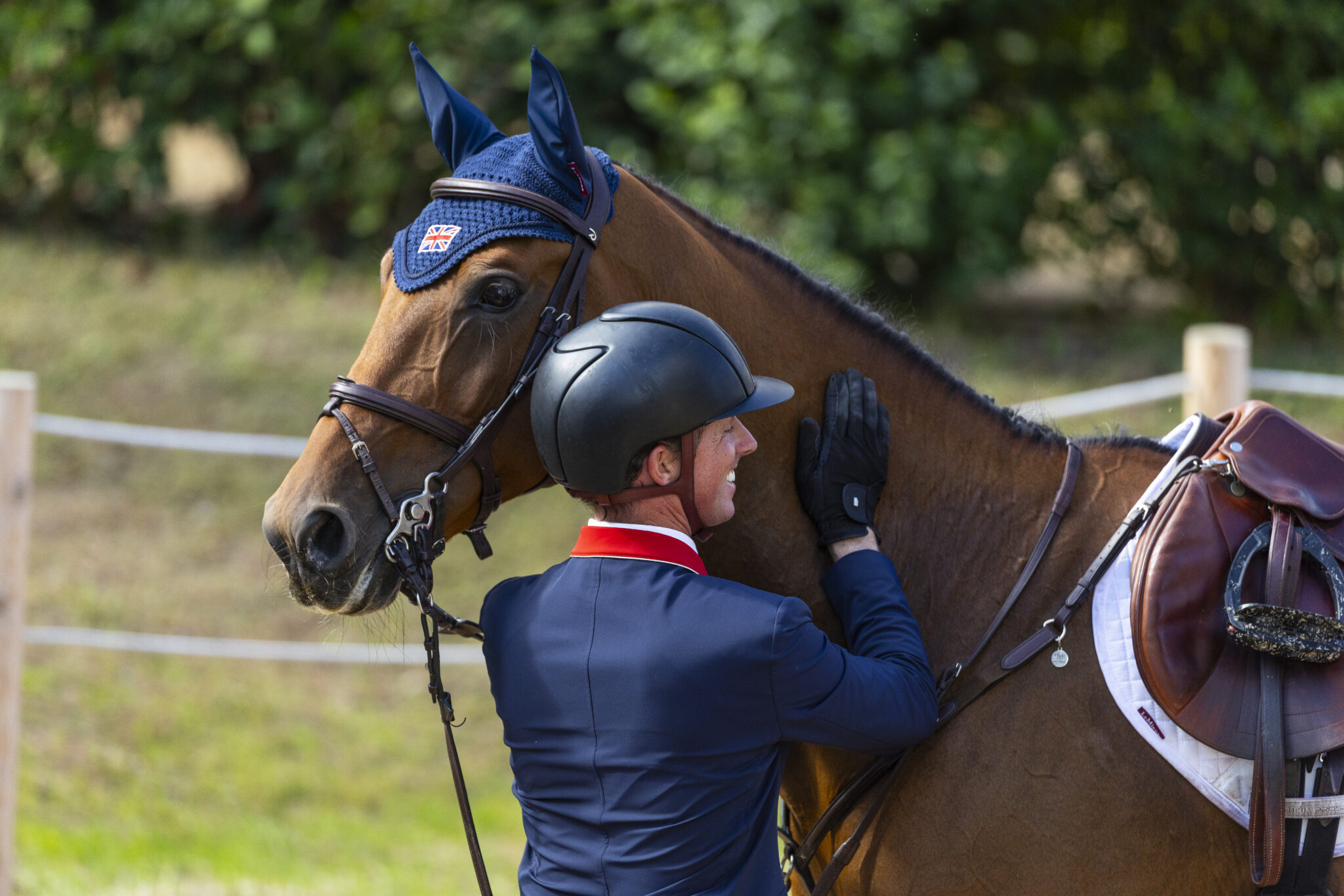
I’ve watched my teen daughter walk into the barn, drop her bag, and before doing anything else, go check on a horse she’s been riding.
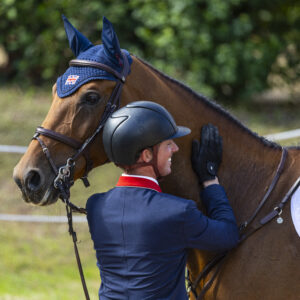
Not hers. Not because someone asked her to. Just a quiet moment, a hand on his neck, just to check-in. A big hug. Because she’s invested. I’ve watched her stay longer than she needed to, help without being told, and pay attention to things like empty water buckets—things many people would walk right past.
That doesn’t come from being assigned chores. That comes from being in the thick of it.
Riders who aren’t afraid of getting dirty start to notice things. They read the horse in front of them. They feel when something is off. They adjust instead of forcing.
That doesn’t happen at the posting trot. It happens on the ground, in the in-between moments. Standing at the crossties and paying attention: how a horse reacts to an ill-fitting saddle, where she’s developed a patch of rain rot, and just listening to what she needs.
Horsemanship shows up in these small things. Cleaning tack, scrubbing the bit, and putting it away properly because it matters, not because someone is watching. These are the moments that often don’t feel important at the time, but that stay with us and shape us.
To be good at this work, you also need to learn how to adapt. Pitching in when the trainer needs someone to hold a horse for the farrier because he won’t stand still. Or when a horse unexpectedly needs a bath because he is covered in hives. When nothing that day is going according to plan.
Horses have needs; they don’t teach on a schedule, and they don’t care if your lesson is over. When riders are part of that, they grab the sponge, take the lead rope, pick up the grain buckets. And then, something shifts.
Horses stop being something you do and become something you understand—and likely, care deeply about.
Because a well-rounded horseman doesn’t just know where to be to the jump. They know when something feels off before it becomes a problem, and how to adjust. They understand what it takes to keep a horse not just going well, but looking and feeling its best, day-in and day-out.
And maybe, most importantly, they know what it feels like to put horses first and themselves second.
And this is where it can get a little uncomfortable, especially as a parent. Because it’s easy to look around and think, Why is my kid doing all of this instead of just riding? Why aren‘t they getting more time in the saddle instead?
If we want our kids to become students of the horse, though, we have to support this process, not push back against it. It starts with little, basic things. Encouraging our young riders to be responsible and clean-up after themselves in the aisle; to not leave the wash stall covered in manure.
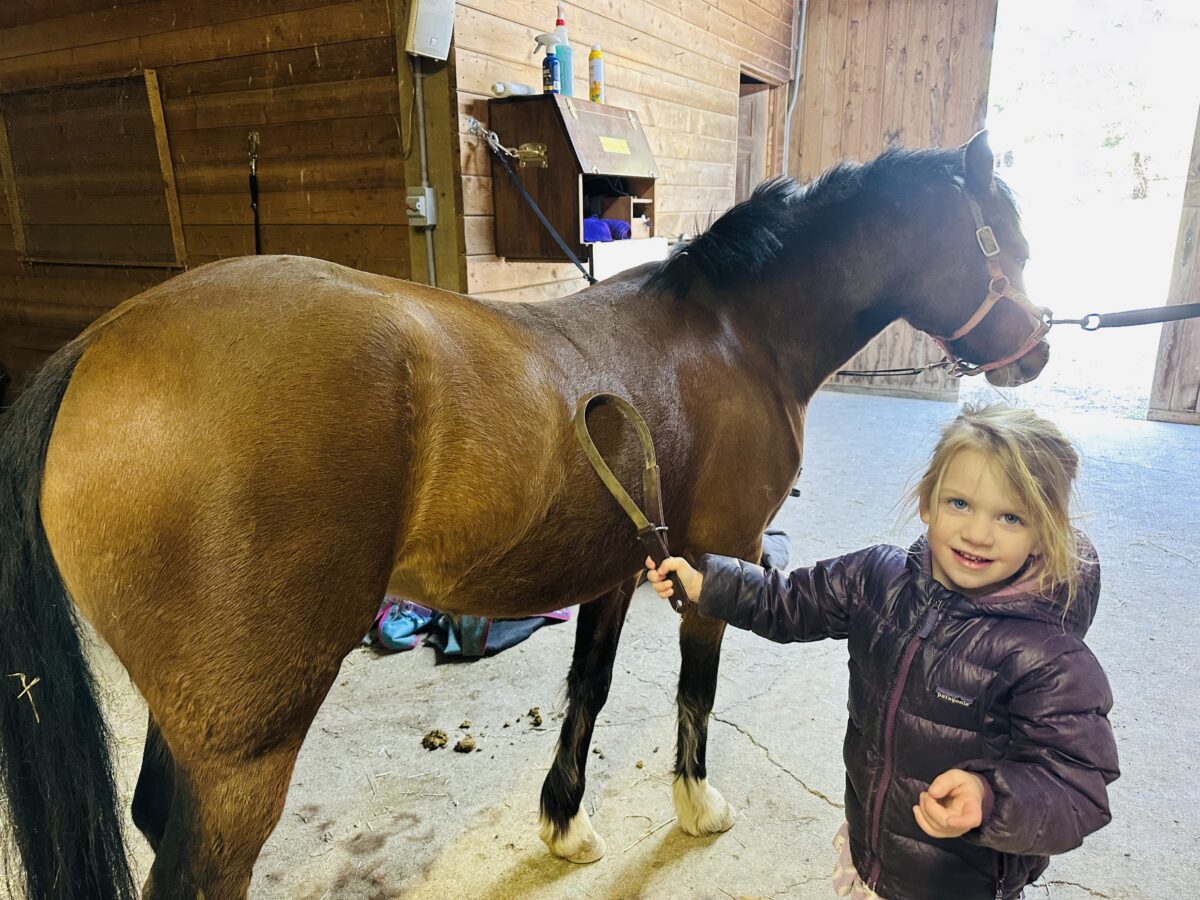
It seems like some riders expect these things to be done for them, even when they are not at full-service barns. But it should be said that if you do want full service, there is absolutely a place for that if you are seeking that experience.
There are barns where everything is done for you. Grooms handle the care, the preparation, the details. But in my opinion, it comes with a cost. Not just financially, but in what riders don’t get to learn.
When everything is done for you, you often miss the part that can’t be replicated any other way. The moments where a relationship is built, not just a ride.
I see the repercussions of this playing out in real ways.
I have a friend with lovely, well-bred young ponies who would love to have kids come ride, learn, and be part of bringing them along. We talk often, however, about how she is struggling to find young riders and parents who understand that investing time and effort is part of the process—because fewer kids are being taught to value that part of the sport.
From this parent’s perspective, the best programs don’t just teach kids how to ride, they teach them how to be horsemen. And that means being involved, paying attention, and understanding that what happens outside the ring matters just as much as what happens in it.
At the same time, I should add that this only works when it’s done ethically. When riders are part of something, not being taken advantage of. When their passion is being nurtured, not used. When expectations are clear. That balance matters.
But when it’s done correctly, it’s not a burden to do ‘barn chores,’ it’s a privilege.
Because in the end, this isn’t just about riding. It’s about who we become along the way. It’s about the ones who learn to show up, to pay attention, to put in the work when no one is watching.
Those are the ones who carry it forward, long after the lesson is over.