
 January 14, 2026
The cardinal is often seen as a symbol of hope in times of grief. Across various cultures around the world, the flash of the songbird’s red feathers against the white snow reminds us not only that spring will come again, but that the ones we’ve loved and lost are still thinking of us, too.
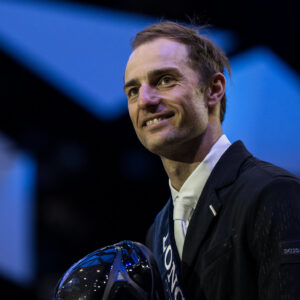
For Germany’s Richard Vogel, ‘cardinals’ from his mother Ursula are everywhere, even if they have nothing to do with the birds, themselves.
The reigning European Champion and World No. 6 sees them in unexpected strokes of luck—perhaps the chance encounter with his now-business partner, German show jumper David Will, years ago at his uncle’s farm in Pfungstadt. Or in the narrow escapes—when the self-admitted speedy driver takes a turn a little too fast, and emerges unscathed.
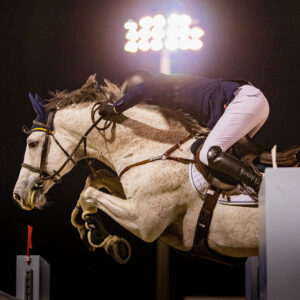
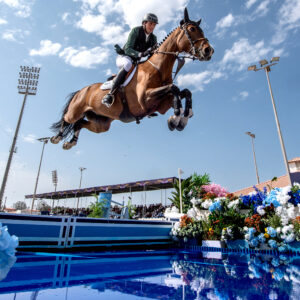
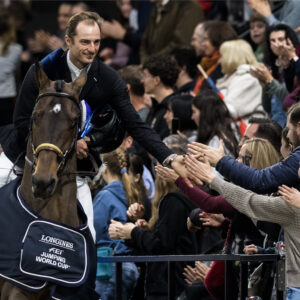
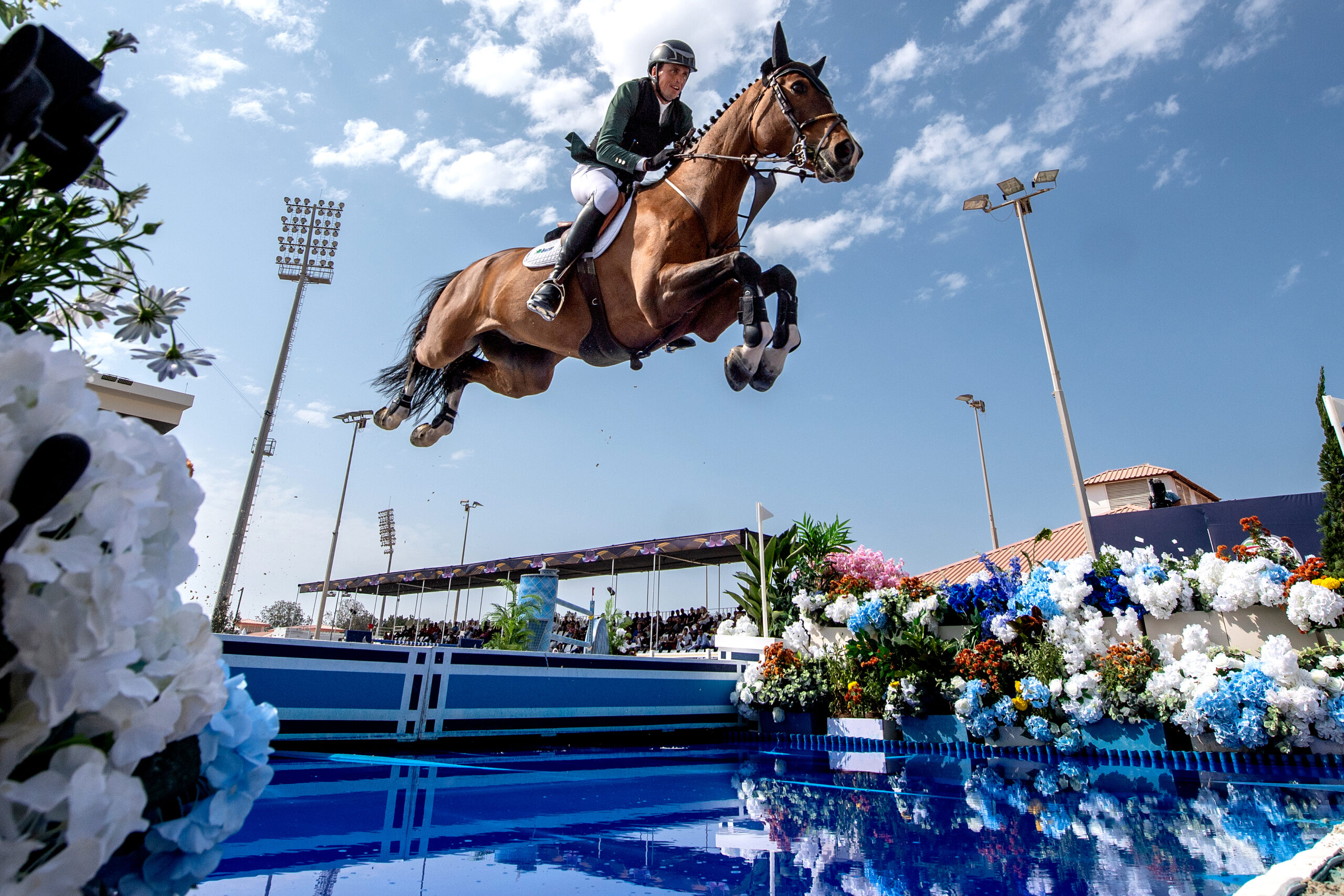
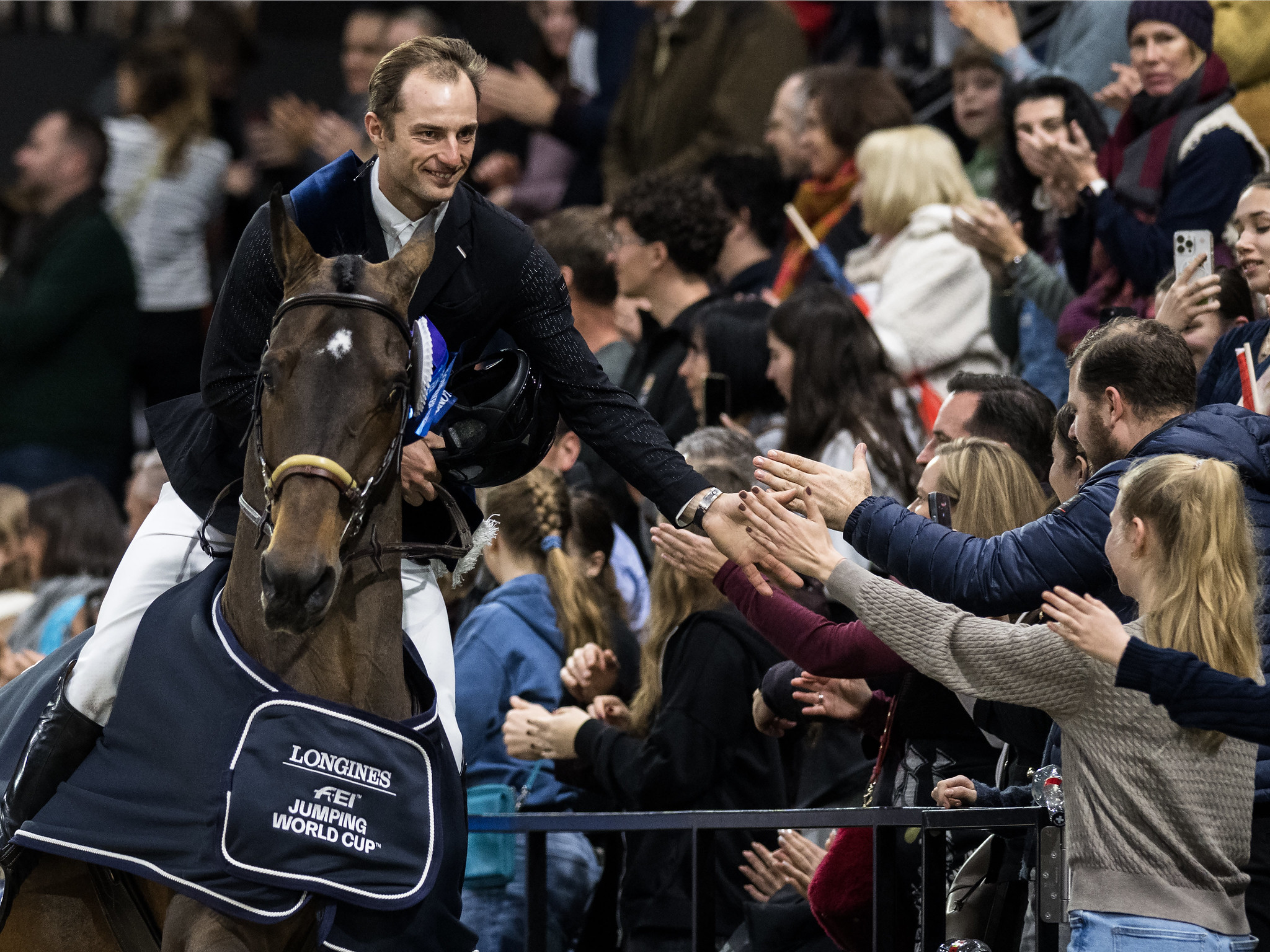
And he might see them in his major victories, such as last weekend’s FEI Jumping World Cup™ qualifier in Basel, Switzerland, where Vogel and United Touch S gave yet another jump-off master class, topping the field of 40.
“Because [my mother] was gone so early—I was basically a child—for me, she still was always there. I believe that very much,” Vogel says.
“There were a lot of moments in my life where I was very, very lucky. And I’m convinced it has something to do with her,” he says. “There were moments that it could have gone wrong. But she’s there, and she watches [out] for me.”
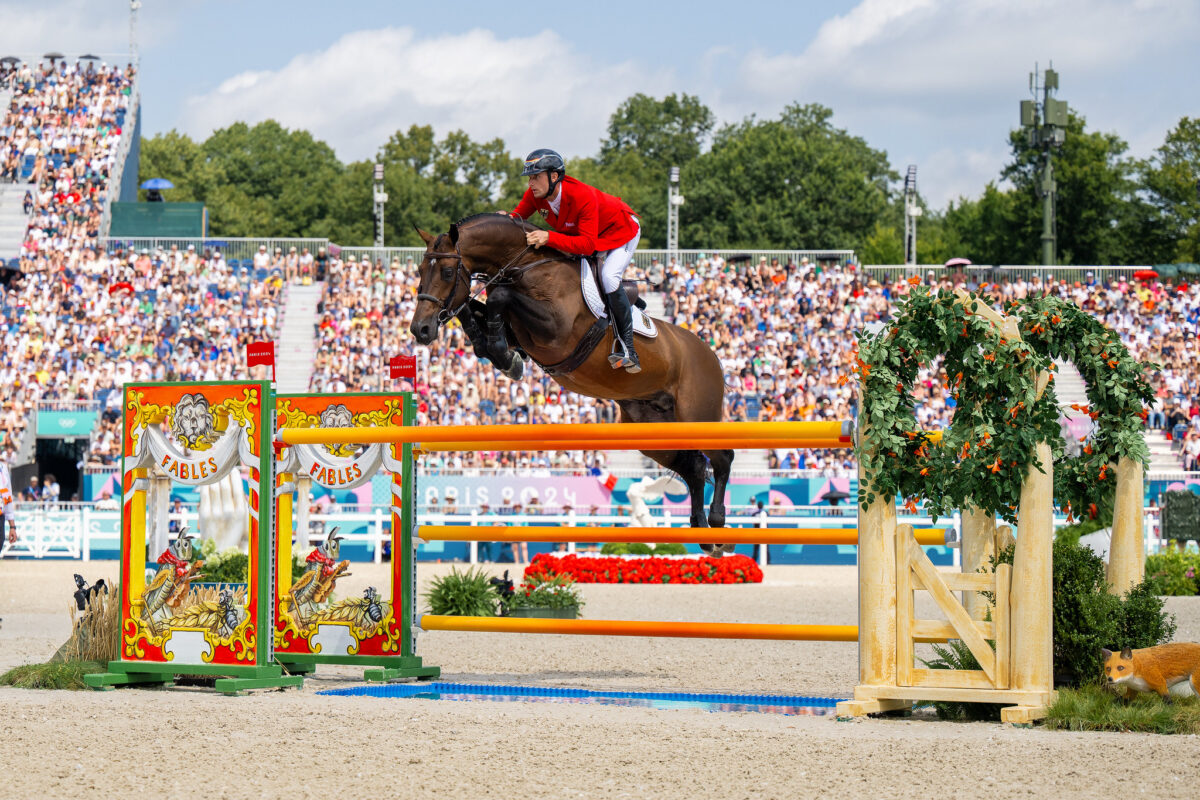
It was Vogel’s mother Ursula who first introduced him and his younger brother Matthias to horses, and bought Vogel his first pony. Horses were in Ursula’s blood: her father, Josef Grom, was a breeder; her brother Richard Grom is a show jumper who competes at the 2* and 3* level for Germany.
“[My mother] would always go with us to the ring. And she was [basically] our teacher. A lot of things would have gone a different way or a different direction [if we hadn’t lost her],” Vogel reflects.
“Whether more positive, less positive, that’s hard to say, but I would for sure be a different person if she was still there.”
One way that things might have been different is the trajectory that Vogel and Matthias—who Vogel has said may have been the more talented rider—followed after they lost their mother at ages 12 and 10, respectively.
“[My brother and I] rode ponies together. When she then passed away, my way of dealing with it was I [gravitated to the] horses, and spent way more time in the stables than I did before because I felt like this was my connection with my mom. It still is,” explains Vogel.
“For my brother, all of the stables [and the] horses reminded him a little more of my mom [in a painful way], and he took a bit of distance from that.
“We had different ways to deal with [her death]. I got dragged [to the stables] even more, and it became even more of a passion for me. And he stopped riding, more or less.”
In the direct aftermath of his mother’s passing, Vogel says, he was forced to grow up more quickly. “At home, I had to take more responsibility. From early years—maybe not at 12, but 13, 14—I started [doing] simple, small things. I started to wash my own clothes and stuff like that, which sounds [like] really that doesn’t matter, but it makes you grow up quicker,” he says. “Taking over [that] responsibility, you become more aware of things when you do it yourself than if other people do them for you.”
And though it would take time for him to recognize it, the loss of his mother would also help to shape Vogel’s champion mindset, sowing the seeds of resilience and cementing the positivity that would ultimately become his trademark in the Grand Prix ring.
“I would have never wished for those circumstances, obviously. It was terrible in a way. But I’m someone that always tries to see the positive in things,” Vogel reflects. In fact, the German rider has said that he derives energy from setbacks in his riding—tough rounds, rails down, mistakes on course—which motivate him to work even harder.
“I don’t like to be in that position that people feel like they have to be sorry for me,” Vogel continues.
“[Losing my mother] was a very hard phase. But I believe that those hard moments and tough phases in your life, they make you stronger at the end of the day, in many aspects. For sure, that made me a bit of the person that I am.”