
 July 16, 2025
Okay, okay. I’m guilty of ignoring household chores (and maybe my kids) to scroll endlessly through horse sale ads. Because you never know… my next elusive unicorn might just be hiding there, astonishingly within my price range.
After all this time, though, I’ve yet to unearth a true miracle. But I have figured out what makes for a very frustrating sales ad. Here are 16 common seller tactics that turn me off.
1.No price at all.
Like, not even a ballpark. The horse could cost less than a French saddle or more than a beachfront condo. Please don’t waste both of our time. I get it if you don’t want to shout your exact asking price from the rooftops but at least give an inkling.
2. A price that makes me do mental gymnastics.
Yes! I said I want a price. And, I get it, some social media sites have strict rules about horse sales. So, you may have to get creative. But “low-mid fives” means wildly different things to different people.
Plus, there are other online groups with designated price categories: “Priced in category C.” What? Insert picture of my brain exploding as I try to figure out if your horse is in my income bracket.
3. “Fire sale.”
When I see “fire sale” or “very motivated,” my heart dares to hope. Maybe my dream horse is within reach! And then I work up the courage to ask. Only for you to drop the number—$75K—and my soul is crushed like an overripe melon. If your horse still costs as much as a Beemer, time to rethink the wording.
4. Hinting at the bad stuff.
“Loves a program.”
“Needs all-night turnout.”
“Can be sensitive at times.”
Translation: “Will-toss-you-on-the-regular-without-tons-of-turnout-and-daily-work.”
Just say what’s really up. You’ll attract the right buyers.
5. Being too generic.
A gorgeous photo…followed by “Available.” That’s it. No price, no location, no experience level. If you don’t want time-wasters, do yourself a favor and give us the basics.
6. Scamming.
The worst of the worst. Some of us know to run when the price is too good to be true, or when the ‘seller’ says, “I need a deposit today or I can’t hold him.” But plenty of shoppers don’t.
Scammers make the whole horse buying process feel shady and put buyers on edge. Even if you’re not the one scamming, report those SOBs who are.
7. Being too good to be true.
Don’t get my hopes up with the perfect horse at the perfect price… who happens to roar, crib, and have a club foot. If there’s a major issue, be up front. You’ll find buyers who can manage it rather than wasting your time—and ours.
8. Badmouthing buyers.
“Still for sale due to timewasters.”
“Still for sale because the last buyer backed out even after a perfect vetting.”
Keep it classy, “Still available.” There’s no need to play negative Nelly and degrade people.

9. Asking silly rhetorical questions.
“Why hasn’t this guy sold yet?” Well, if he’s still for sale, you might want to look at your price tag, my friend. The minute I see that phrasing, I keep scrolling.
10. Posting everywhere, every day.
Yes, you want to sell your horse. But posting every hour screams desperation. If I see the same ad constantly, I start wondering, “Why is this one still for sale?” Spam-posting is a red flag.
11. Belittling buyers’ budgets.
Someone lists a horse at an “affordable” price, then adds, “No, this one isn’t made. If you want a packer, I’ve got one of those in my barn for 75K.” Cool story, but there’s no need to rub it in or treat buyers like idiots. Saying the horse is green and priced accordingly is enough. No need to insult someone’s budget. Hard pass!
12. No location.
Don’t make me fall in love with your horse only to discover later that he lives in Alaska. Or, if your horse would require a first-class, transatlantic flight to get to my hood, say so.

13. Too much information.
Yes, I know…I complained about too little info. But there’s a balance. Buyers don’t want to read a novella listing every ribbon, every attribute, every minor quirk. We’ll space out halfway through and move on.
14. Selling a “kid-safe” horse without kid videos.
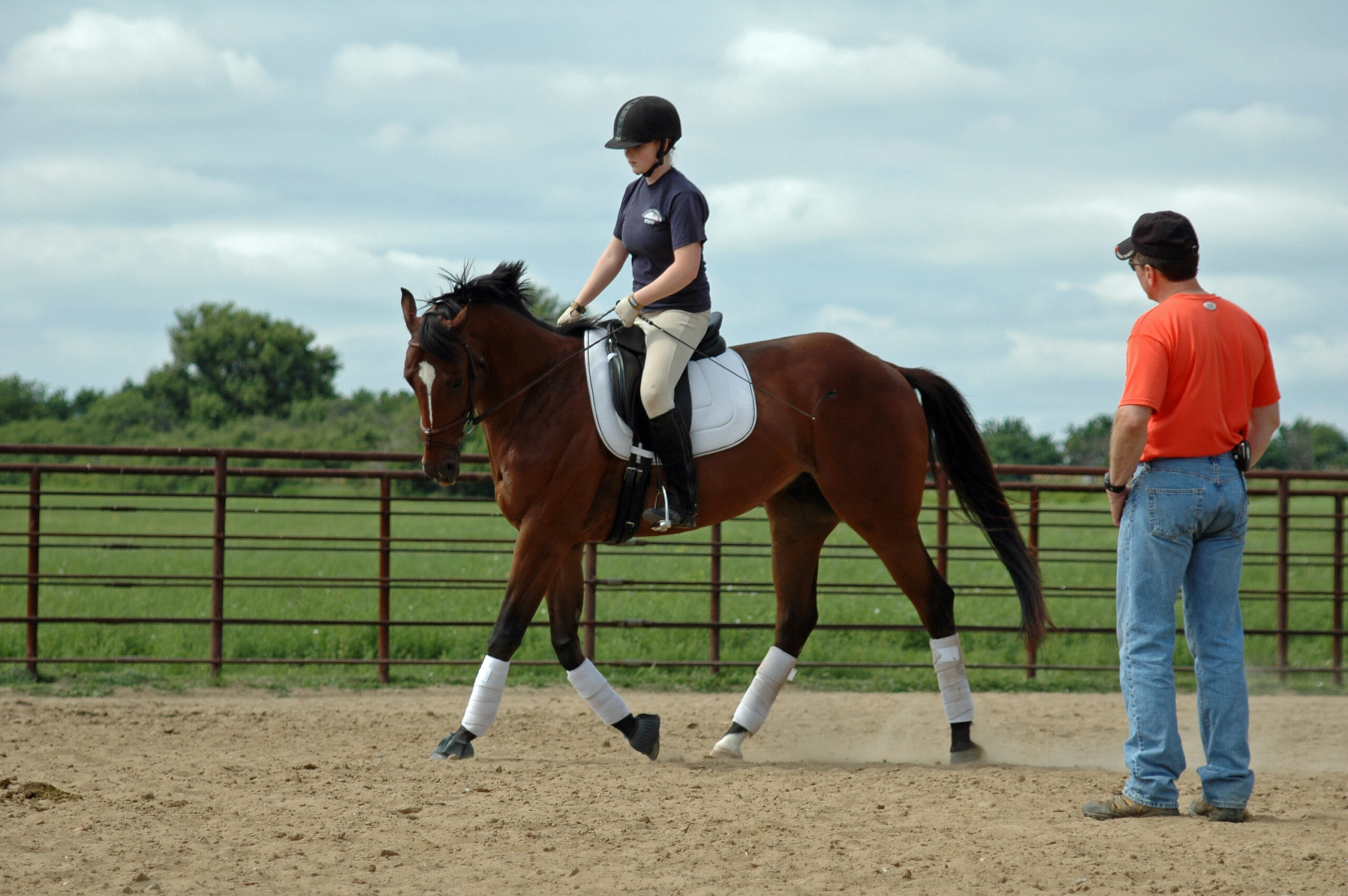
I get it, you might not have a spare kid handy. But borrow one! If you’re marketing your pony as child-safe, show a youngster riding it. An adult whose feet nearly drag on the ground doesn’t convince me.
15. Poor quality pics and videos.
Blurry videos shot from the nosebleed section? Two seconds of trot in a muddy ring? Conformation pics taken on a hill? Pro tip: people won’t want to buy your horse if they aren’t sure what they are looking at.
16. “Not overly motivated to sell. I’ll keep this one in my barn forever.”
Just… ugh. There are better ways to say your price is firm. And honestly, if you’re that attached, and your equine superstar is that priceless, reconsider plastering her all over social media with a for-sale sign.
So, next time you’re crafting a sales ad, keep my rant in mind. You’ll get fewer eye rolls from shoppers like me—and probably sell your horse faster, too.