
 September 25, 2025
Top-ranked tennis player Iga Świątek—who famously held the World No. 1 ranking for 125 weeks and has won six majors, including the French Open and Wimbledon in 2025—isn’t known for taking time off.
“Sometimes, after Grand Slams, I get [sometimes] even six days off. Which, earlier, happened, like, maybe once when I started on WTA Tour,” she has said.
And if you’re thinking to yourself, Wow, six days off after a major win doesn’t seem like much time at all? you’re not alone. But intense as Świątek’s schedule may sound, it’s not unlike the average, top-level show jumper.
Like tennis, the international show jumping calendar runs almost continuously throughout the year, demanding a high level of mental and physical fitness from equine athletes as well as their human ones. In the heat of a competition season, horses are typically show every 2-3 weeks, with just a handful of longer, “time-off” breaks built-in.
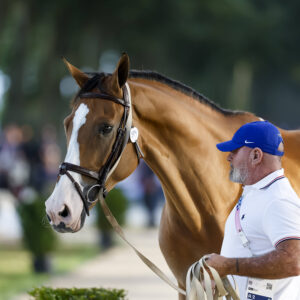
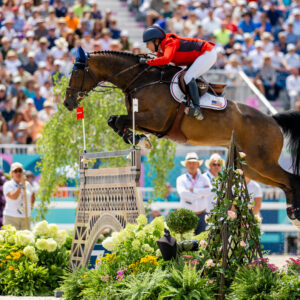
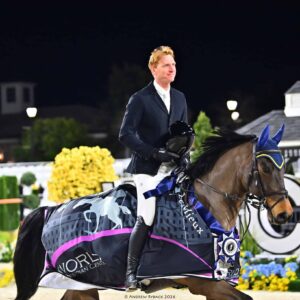
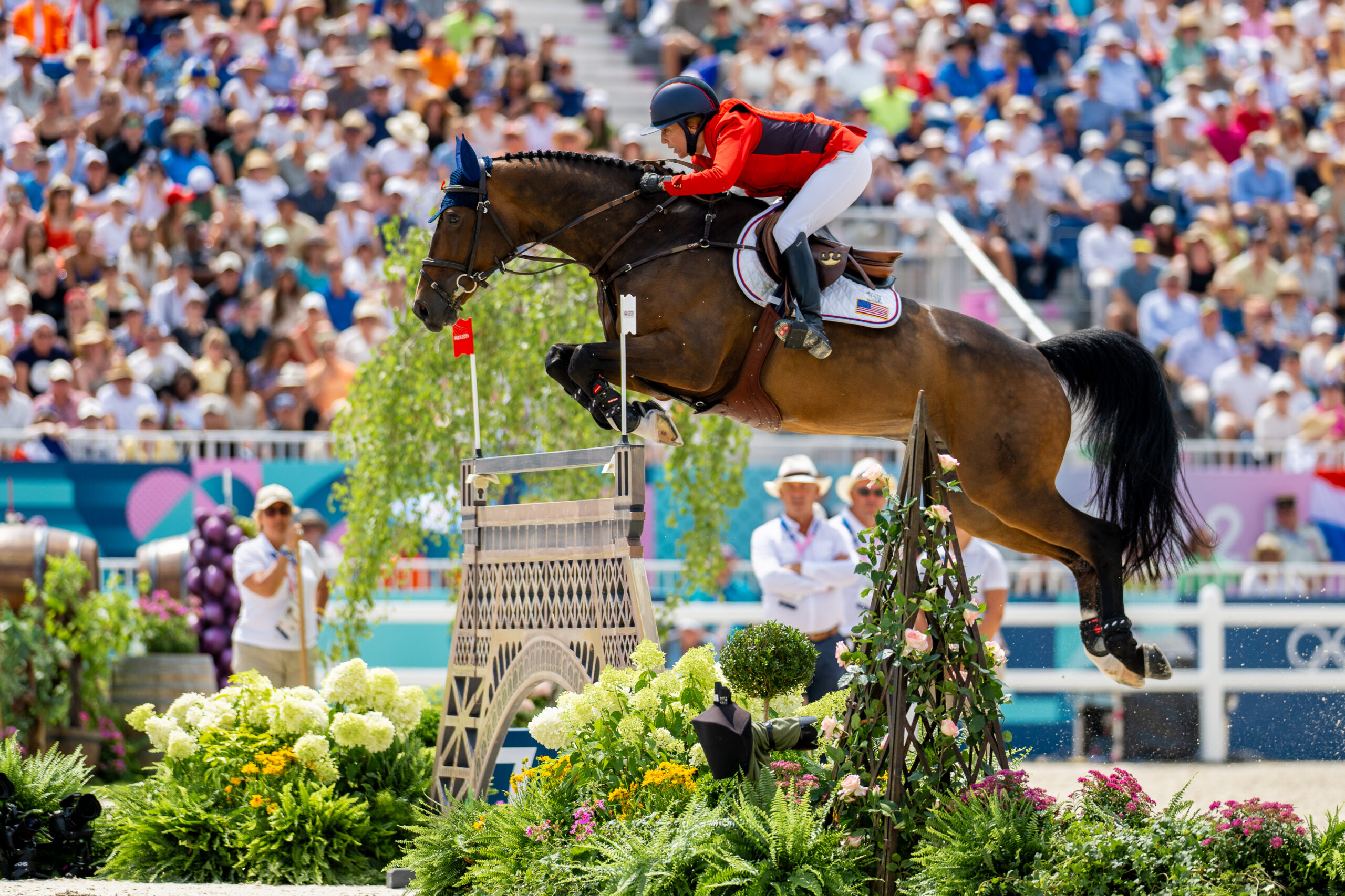
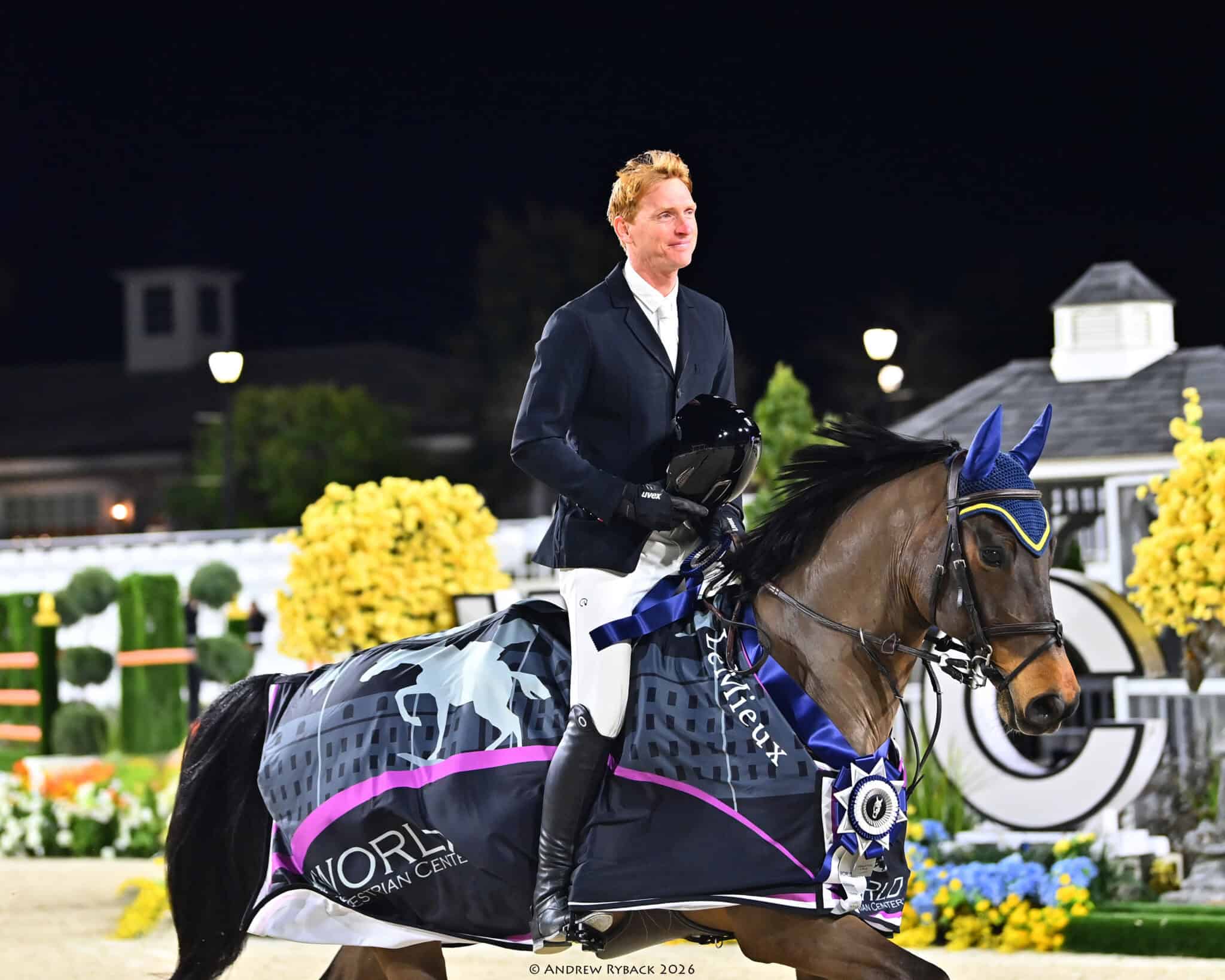
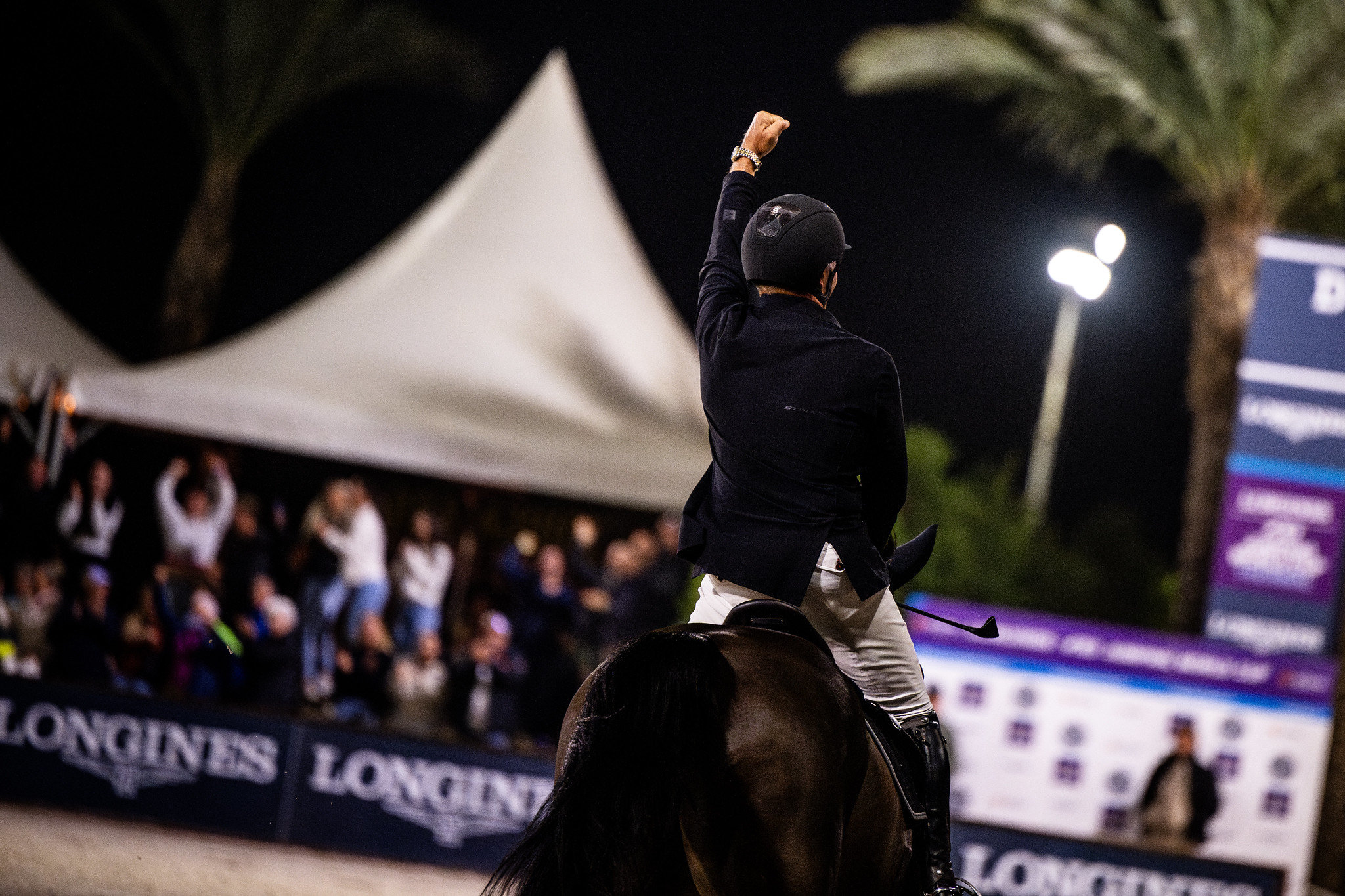
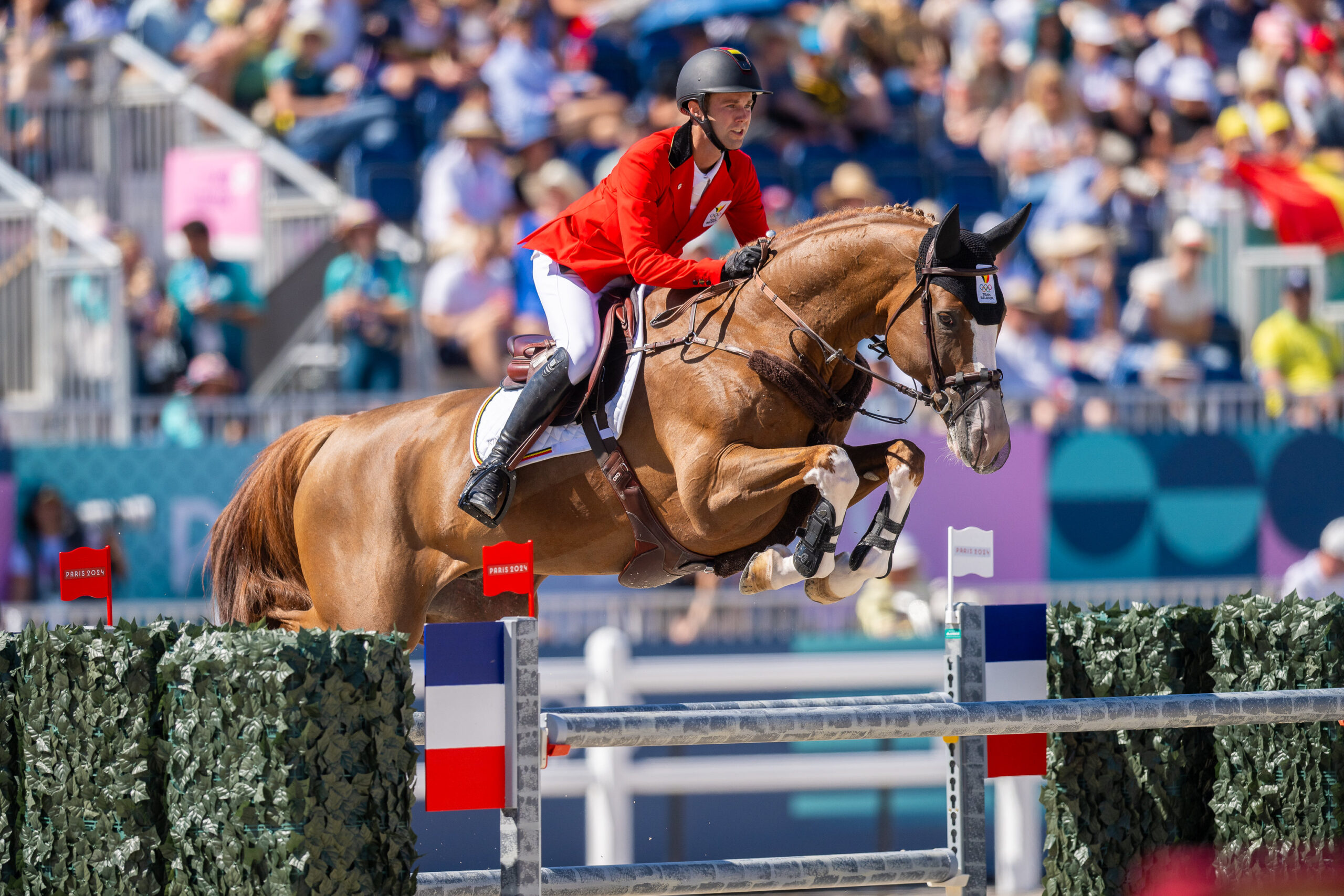
To say the least, traveling to compete on challenging, 1.60m+ tracks at unique venues all over the world requires a good brain, robust health, and impeccable fitness. And yet, 5* LGCT Grand Prix of Paris winner and reigning European bronze medal-winning mount, Ermitage Kalone, is required to adhere to an even higher standard.
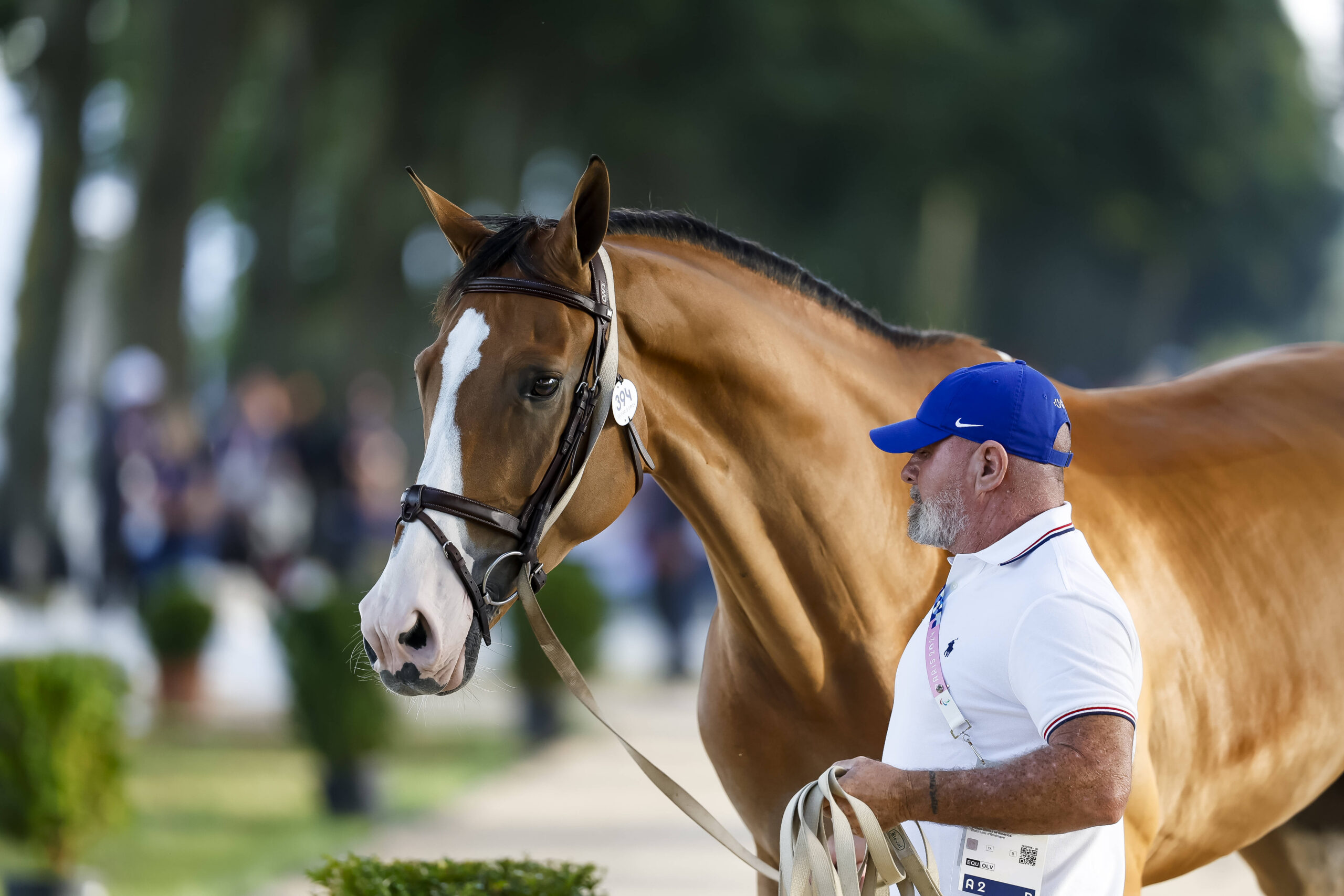
As a stronghold of the Belgian team, the 11-year-old stallion maintains a complicated competition schedule. Not only are his caretakers required to carefully plan his time so that he peaks at just the right moment for major championships—say, the Paris Olympic Games in 2024—they also need to account for his lucrative breeding schedule. Which, in the past, has spanned for six months each year.
After bursting into the limelight with his good looks, graceful style, and coveted win at the Belgian Championships in 2023, Ermitage Kalone offspring were suddenly very much in demand. Case in point: the 2024 Holger Hetzel Stables auction in Goch, Germany, where 11 Ermitage Kalone foals sold for an average of $41,000 a piece.
“As [Ermitage] was a breeding stallion from March to August, he only showed the beginning of the [2023] year at the Sunshine Tour and again in July,” Gilles Thomas told World of Showjumping of the stallion’s typical breeding schedule. The 2024 season was slightly unique, according to Thomas, as he was working toward Olympic selection, so Ermitage’s breeding shed duties were scaled back.
But the demand has persisted.
“Ermitage is by Catoki and has totally different blood, I believe that is one of the reasons why he has been so popular [as a breeding stallion]. Also, he has the perfect type; he moves like a dressage horse, he is big, beautiful, and can jump really well.”
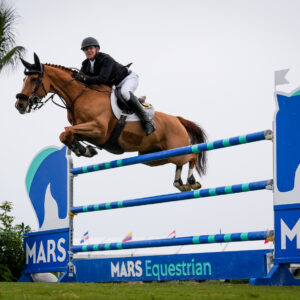
Thomas can say that again. According to Jumpr Stats, this year, the pair have a surreal 63% clear rate in 19 rounds at 1.60m+ and higher, finishing in the top 10 67% of the time. What’s more, they currently lead for 5* podium finishes—eight so far in 2025—at that same height; Cayman Jolly Jumper (FRA), Hello Chadora Lady (GBR), and James Jann Cruz (IRL) all tie for second with seven a piece.
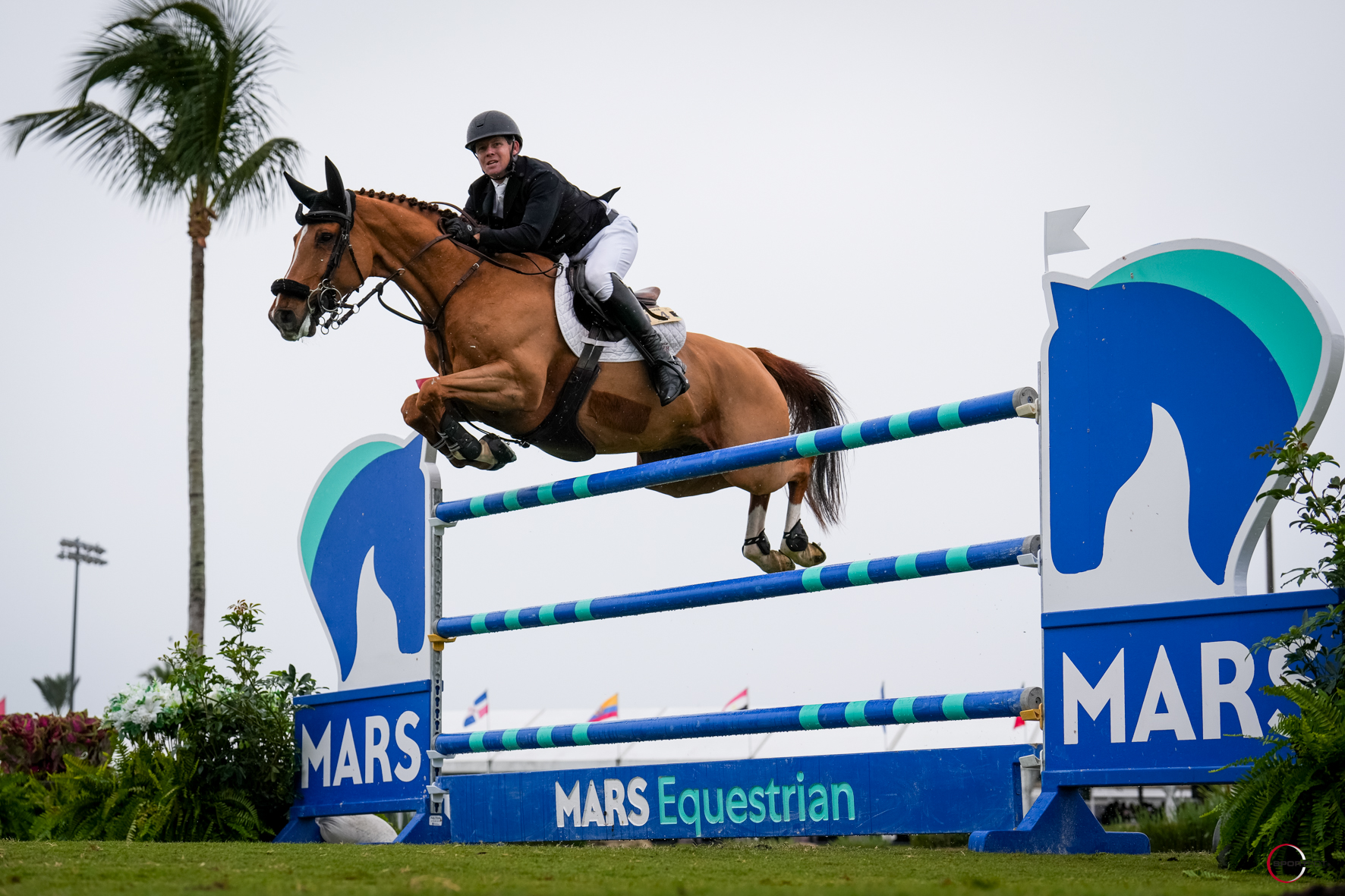
But what’s particularly impressive about Thomas and Ermitage Kalone is that they’re doing much more with less ring time. Of their 16 international starts this year, 62.5% have been jumped at 1.60m. Compare that to Kent Farrington’s (USA) superstar mare, Greya, also 11 years old and the winningest 5* Grand Prix horse so far this year.
Not only has Greya competed 28 rounds—a significantly greater number than Ermitage Kalone in 2025—nearly 61% of them are at heights lower than 1.60m. While that’s likely due to a combination of factors which could include training preferences, physical ability, and the particular class offerings at the different venues where they compete, it’s an impressive stat none the less. And the two mega-talents differ in other ways as well.
Ermitage Kalone has never left Europe, likely on account of his annual breeding duties. But Greya has campaigned, to at least some extent, on both sides of the pond, annually, for the last three years. She and Farrington have also competed a dozen FEI competition weeks so far this year, compared to Ermitage Kalone’s seven.
Following in the foosteps of such greats as Emerald (NED), Casall ASK (SWE), Don VHP Z (NED), Verdi TN (NED), and others, the Belgian phenom is far from the first 5* stallion to simultaneously make a name for himself in the Grand Prix ring and the breeding shed—while dealing with the unique challenges that come with that double-responsibility.
But the consistent way he makes it all look so surreally, effortlessly easy? In that, Ermitage Kalone stands alone.